
BUP Interview with Prof. Dr. Marijana Klemenčič: Exploring Inclusive Education in a Multicultural World
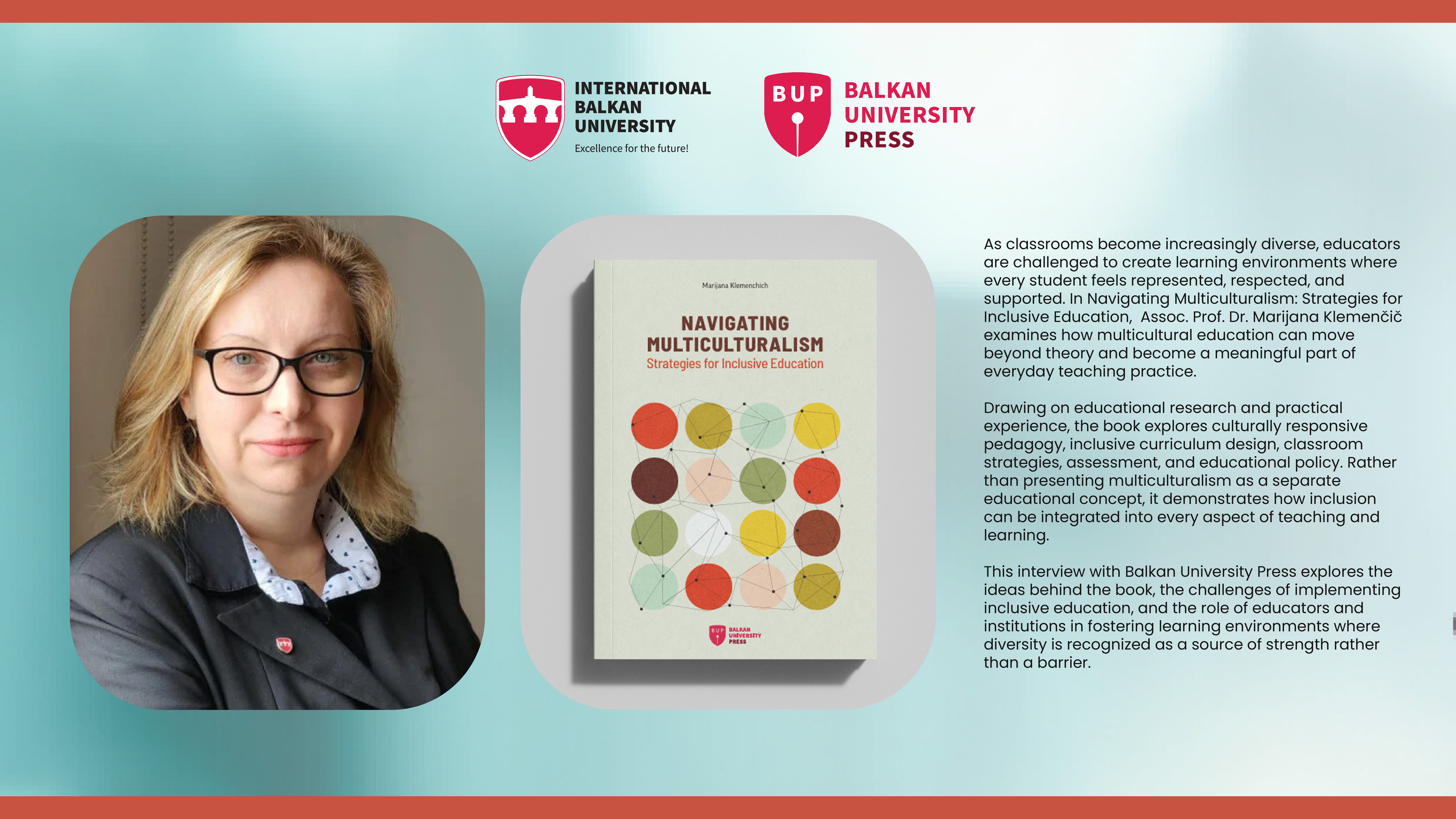
In today’s increasingly diverse societies, education faces the important challenge of creating learning environments that recognize, respect, and support students from different cultural backgrounds. As migration, globalization, and social change continue to reshape classrooms, multicultural education has become an essential field for understanding how educational systems can promote inclusion, equity, and meaningful participation.
In her book, Navigating Multiculturalism: Strategies for Inclusive Education, Assoc. Prof. Dr. Marijana Klemenčič examines the principles and practices that shape inclusive educational approaches. The book explores multicultural education not only as a teaching strategy but also as a broader commitment to social justice, cultural understanding, and the development of learning environments where diversity is valued.
In this conversation with Balkan University Press, Prof. Dr. Klemenčič discusses the ideas behind her book, the challenges educators face in multicultural classrooms, the role of culturally responsive teaching, and the importance of institutional support in creating more inclusive educational systems.
BUP: Your book moves from theory straight into practical strategies, resources, and even monitoring and evaluation. What made you want to combine these levels in a single volume rather than writing a purely theoretical study?
Assoc. Prof. Dr. Marijana Klemenchich: Multicultural education is not only a theoretical concept; it is a framework that must influence real educational practices. I wanted the book to bridge the gap between understanding multicultural education and applying it in classrooms and institutions. Theory provides the foundation for understanding issues of diversity, identity, equity, and inclusion, but without practical strategies, it may remain disconnected from everyday teaching realities. By including curriculum strategies, teacher development approaches, resources, and monitoring and evaluation methods, the book presents multicultural education as a continuous process that moves from ideas to implementation and improvement. This approach allows educators and institutions to evaluate the effectiveness of their efforts and make informed improvements over time. It also emphasizes that meaningful multicultural education requires both critical reflection and practical action.
BUP: You draw heavily on Banks' five dimensions of multicultural education: content integration, knowledge construction, prejudice reduction, equity pedagogy, and empowerment of school culture. Which of these did you find hardest to translate into concrete classroom strategies?
Assoc. Prof. Dr. Marijana Klemenchich: The most challenging dimension to translate into classroom practice is probably empowerment of school culture and social structure. While content integration and equity pedagogy can often be addressed through curriculum choices and teaching methods, transforming the wider culture of a school requires changes in leadership, policies, relationships, and institutional practices. It involves moving beyond individual teachers and creating an environment where diversity and equity are reflected in decision-making, resource allocation, and school-community relationships. However, this dimension is also one of the most important because sustainable multicultural education requires systemic commitment.
BUP: The book carefully distinguishes cultural competence, intercultural competence, and the difference between equity and equality. Why did you feel it was important to unpack these terms so precisely for readers?
Assoc. Prof. Dr. Marijana Klemenchich: These concepts are often used interchangeably, but they represent different ideas and approaches. Cultural competence focuses on developing the knowledge and skills needed to understand and respond effectively to cultural differences. Intercultural competence extends this by emphasizing interaction, communication, empathy, and the ability to engage respectfully across cultures. Similarly, equality means providing the same opportunities or resources to everyone, whereas equity recognizes that students have different needs and may require different forms of support to achieve fair outcomes. Clarifying these terms helps educators avoid misunderstandings and develop approaches that genuinely promote inclusion and justice. When these concepts are clearly understood, teachers and policymakers are better able to design strategies that address real barriers faced by students rather than applying one-size-fits-all solutions. This clarity supports more thoughtful decision-making and helps create learning environments where all students are recognized, respected, and given meaningful opportunities to succeed.
BUP: Chapter Two moves into very concrete territory: curriculum design, differentiated instruction, classroom management, and technology integration. Which of these practical strategies do you see as most transformative for teachers working in multicultural settings today?
Assoc. Prof. Dr. Marijana Klemenchich: I believe culturally responsive curriculum design is one of the most transformative strategies because it influences everything else that happens in the classroom. When students see their histories, cultures, experiences, and perspectives represented in learning materials, they develop a stronger sense of belonging and engagement. However, curriculum design works best when combined with differentiated instruction, inclusive classroom management, and appropriate use of technology. Together, these strategies allow teachers to recognize student diversity not as a challenge but as an opportunity for richer learning experiences. They also encourage students to participate more actively and develop respect for different viewpoints within the classroom community. By adopting these approaches, teachers can create learning environments where every student feels valued, supported, and capable of achieving success.
BUP: In Chapter Four, you argue that multicultural education cannot remain confined to individual classrooms and must be embedded in school policy at multiple levels. Why is this systemic dimension so essential?
Assoc. Prof. Dr. Marijana Klemenchich: A classroom teacher can create an inclusive environment, but lasting change requires support from the entire educational system. School policies influence curriculum decisions, teacher preparation, disciplinary practices, resource distribution, and relationships with families and communities. If multicultural education depends only on individual teachers, its success may vary greatly. A systemic approach ensures that diversity, equity, and inclusion become part of the institution’s values and practices rather than isolated classroom efforts. This broader commitment helps create consistency and fairness across the entire school environment. It also ensures that all students benefit from policies and practices that recognize and respect cultural diversity.
BUP: Your final chapters look toward globalization, technology, and social justice as future directions for the field. What do you hope researchers, teachers, and policymakers take away from this forward-looking part of the book?
Assoc. Prof. Dr. Marijana Klemenchich: I hope they recognize that multicultural education must continue evolving alongside society. Globalization, technological development, and changing patterns of migration are creating increasingly diverse learning environments, requiring new approaches to teaching and policy. Researchers should continue developing evidence-based practices, teachers should embrace lifelong learning and reflective practice, and policymakers should create systems that support equity and inclusion. Ultimately, the future of multicultural education depends on seeing diversity as strength and using education as a pathway toward greater understanding, participation, and social justice. This chapter emphasizes the importance of preparing education systems to respond to future challenges through innovation, collaboration, and a continued commitment to inclusion. It highlights that meaningful progress requires connecting global perspectives, technological opportunities, and social justice goals in ways that directly benefit diverse learners.
Overall, the book presents multicultural education as an ongoing process that requires commitment from educators, researchers, and policymakers at all levels. It shows that embracing diversity is not only about recognizing differences but also about creating fair and empowering learning environments where every student has the opportunity to succeed. The future of multicultural education depends on collective efforts to transform schools into spaces of respect, equity, and shared understanding.
About the Author
Marijana Klemenchich is an Associate Professor Dr. at the English Language Teaching Department at International Balkan University, Skopje, North Macedonia. Klemenchich is the Coordinator for Language and Cultural Studies at the Balkan Research Center and the Editor in Chief of the Balkan Research Journal. Klemenchich teaches English language methodology courses, ESP courses and culture-related subjects. She has earned her MA in Philology and a PhD in Cultural Studies at Ss. Cyril and Methodius University in Skopje. She is co-author of the book “Active Learning in Higher Education” (2025) and an editor of the books “Various Aspects of Language Education” (2024), and “Reimagining Intelligent Computer-Assisted Language Education” (2024). Klemenchich is a CELTA certified teacher and has 25 years of teaching experience. Areas of interest include Cultural Studies, Methodology, Philology and Literature.
Latest News
-

Opened call for the new issue of TEFMJ
Date: 10.02.2024 -
The Journal of Law and Politics welcomes your papers
Date: 10.02.2024 -
-
.png)
Call for Papers for an Edited Volume
Date: 27.05.2024 -

Open Call for Chapter Proposals
Date: 27.05.2024 -

The new issue of Journal of Law and Politics is here!
Date: 01.05.2024 -

TEFMJ June issue is published
Date: 01.07.2024 -

IJEP's Vol. 5, Issue 1 is now available!
Date: 02.07.2024 -

Vol. 4, Issue 1 - IJTNS
Date: 01.07.2024 -

The first IJAD volume is online!
Date: 02.07.2024 -

Balkan University Press Launches the Journal of Balkan Architecture
Date: 15.07.2024 -

-
Balkan Political Economy Series welcomes your proposals
Date: 18.07.2024 -

BUP Interview with Prof. Marija Miloshevska Janakieska
Date: 18.07.2024 -

BUP Interview with Asst. Prof. Dr. Ahmet Lökçe
Date: 24.07.2024 -
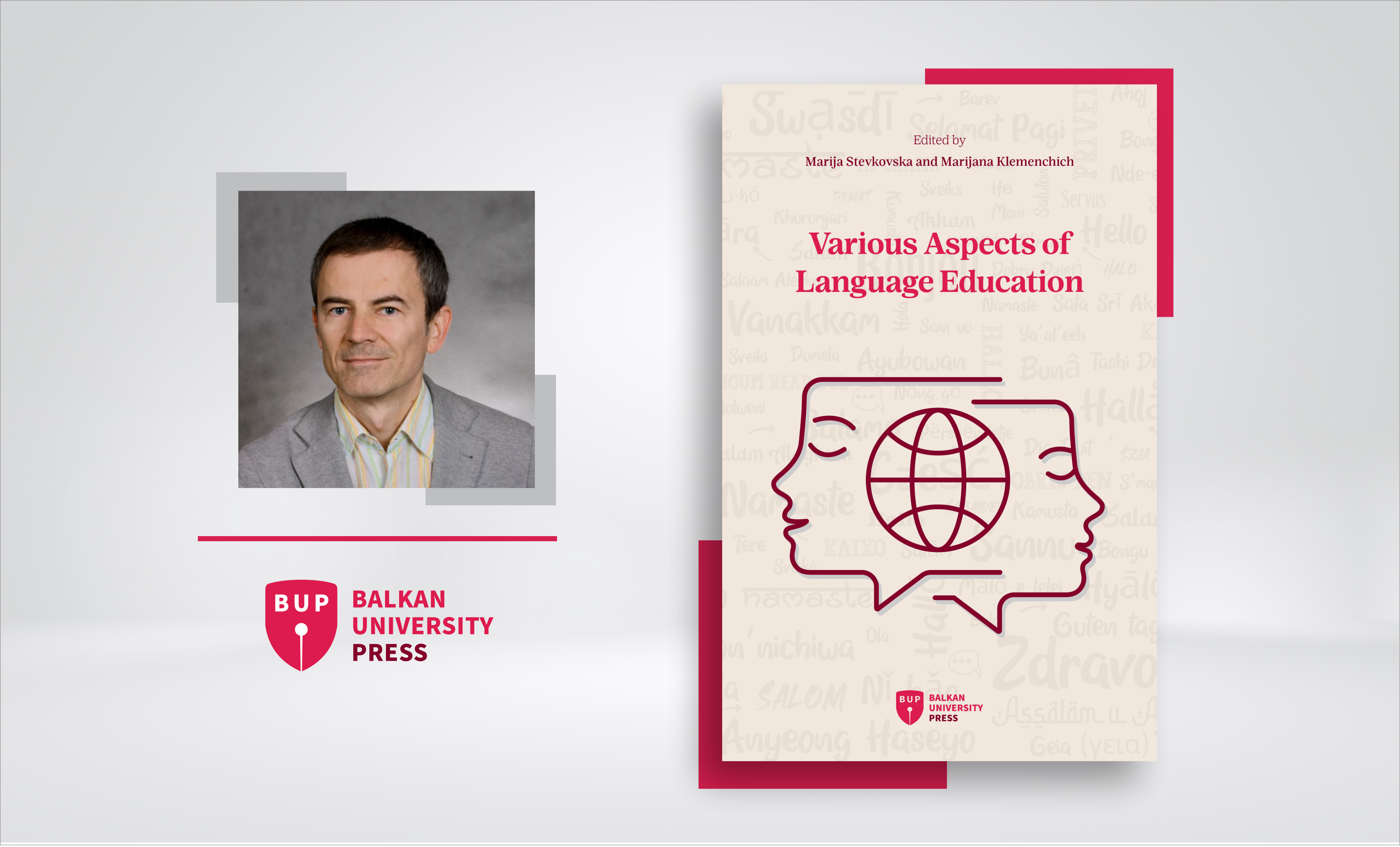
-
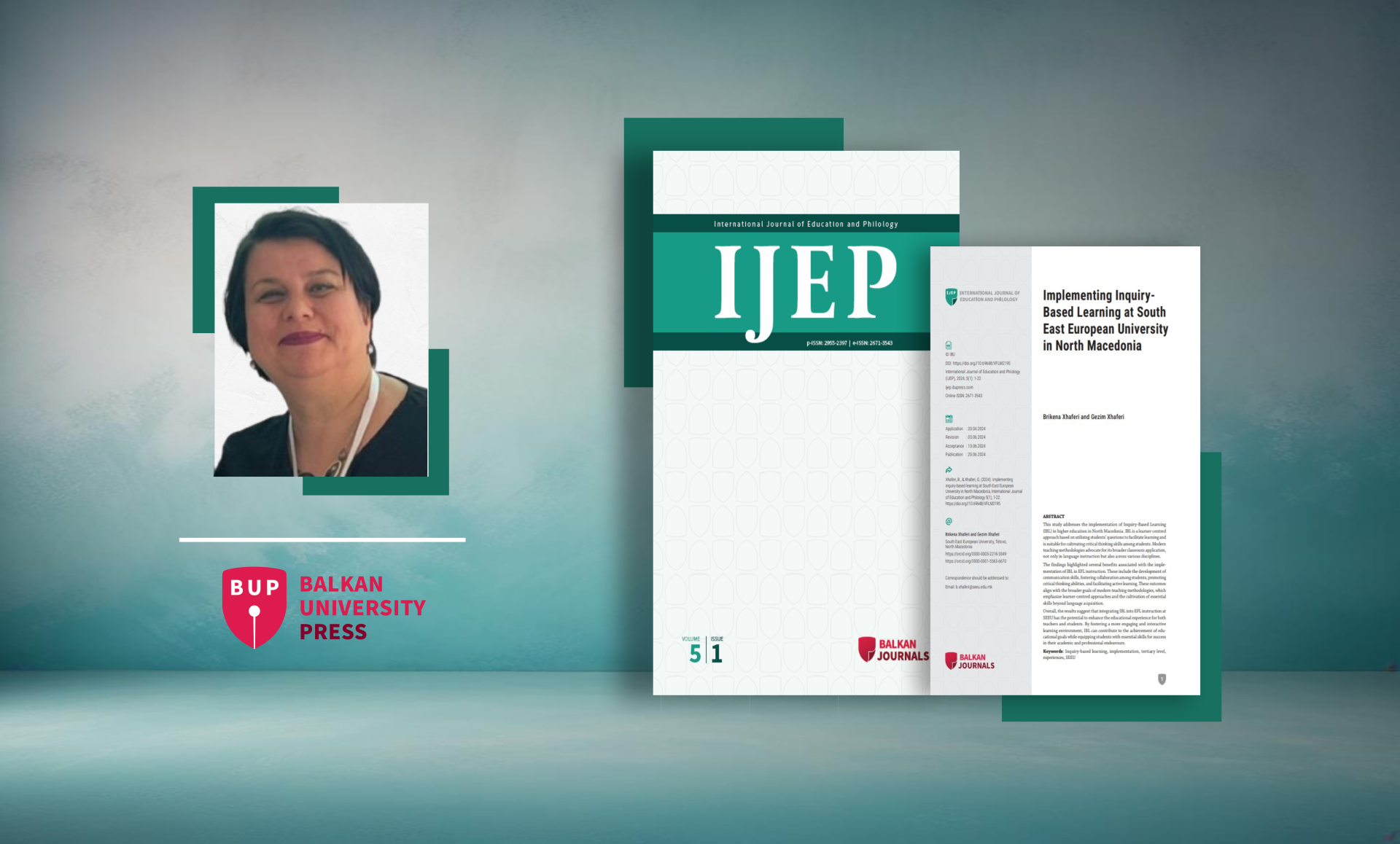
Prof. Xhaferi's blog for BUP
Date: 28.08.2024 -
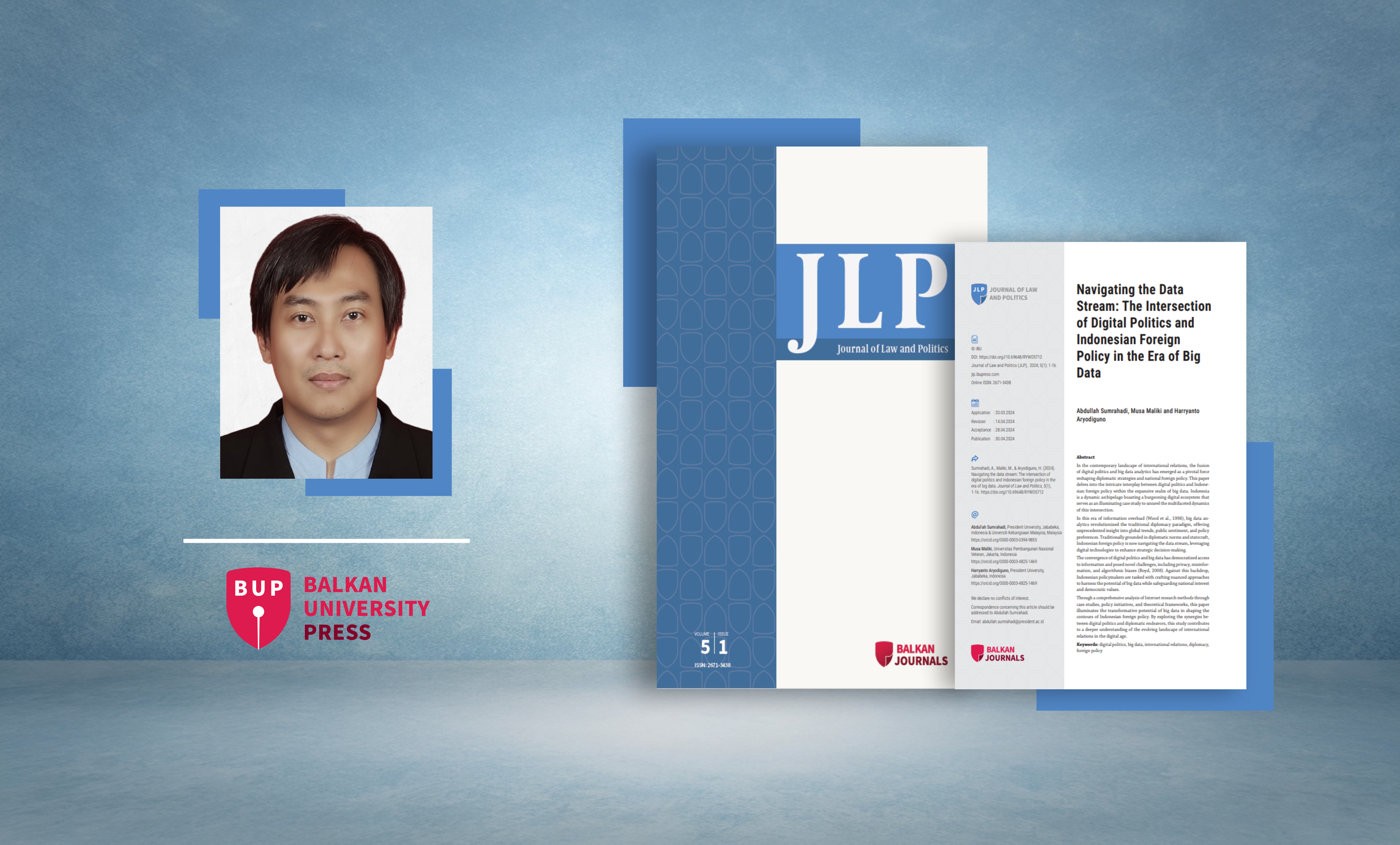
-

-

IJEP is now indexed in the Copernicus Journals Master List
Date: 23.09.2024 -
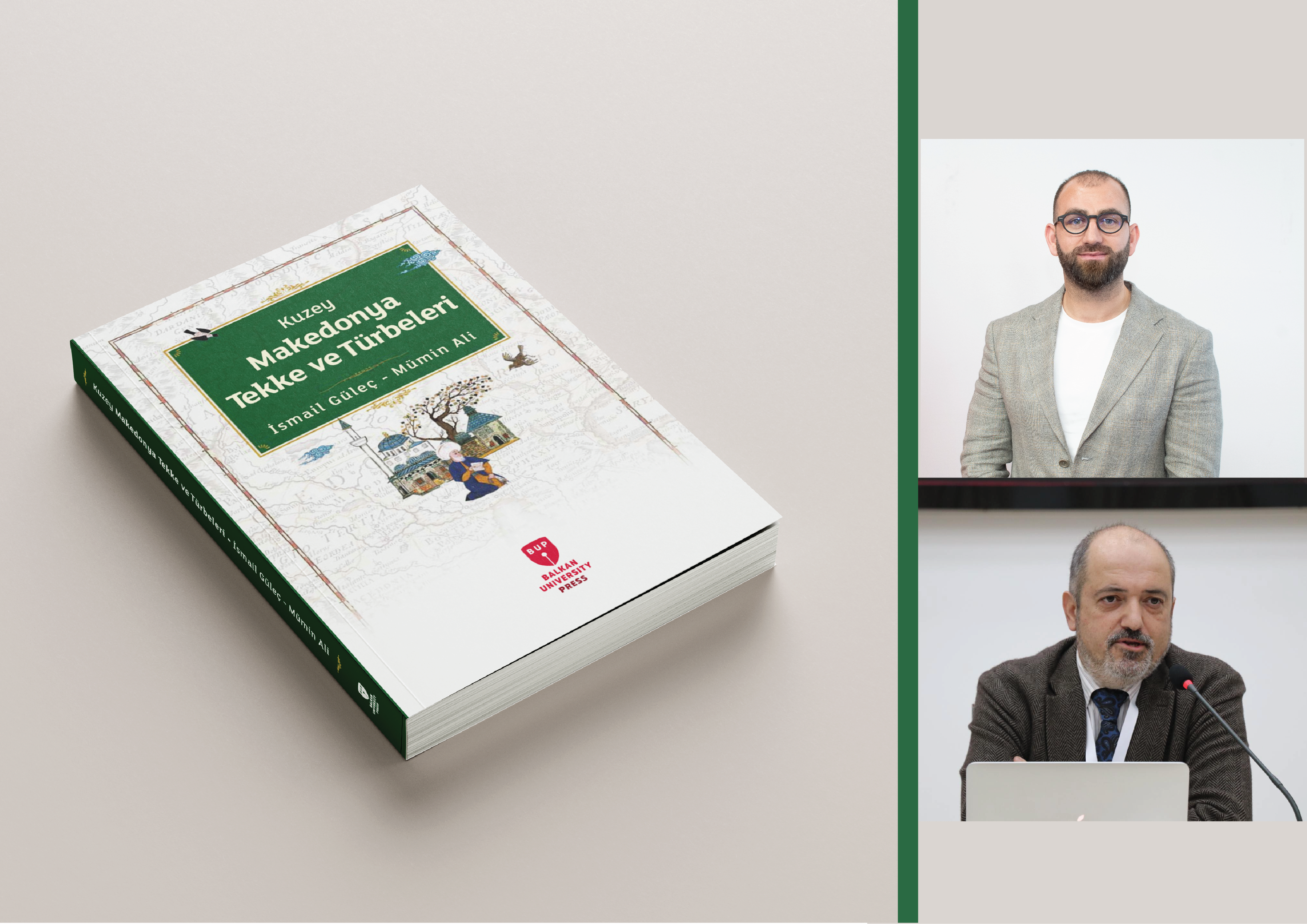
BUP INTERVIEW WITH PROF. ISMAIL GÜLEÇ AND ASST. PROF. MÜMIN ALI
Date: 26.09.2024 -

BUP Interview with Prof. Dzemil Bektovic
Date: 04.10.2024 -

-

BUP Interview with Prof. Shener Bilalli
Date: 30.10.2024 -
BUP Academic Blog with Prof. Tamás Szemlér
Date: 08.11.2024 -
Book Review for "Museums as Generators of Identity in Skopje"
Date: 20.11.2024 -
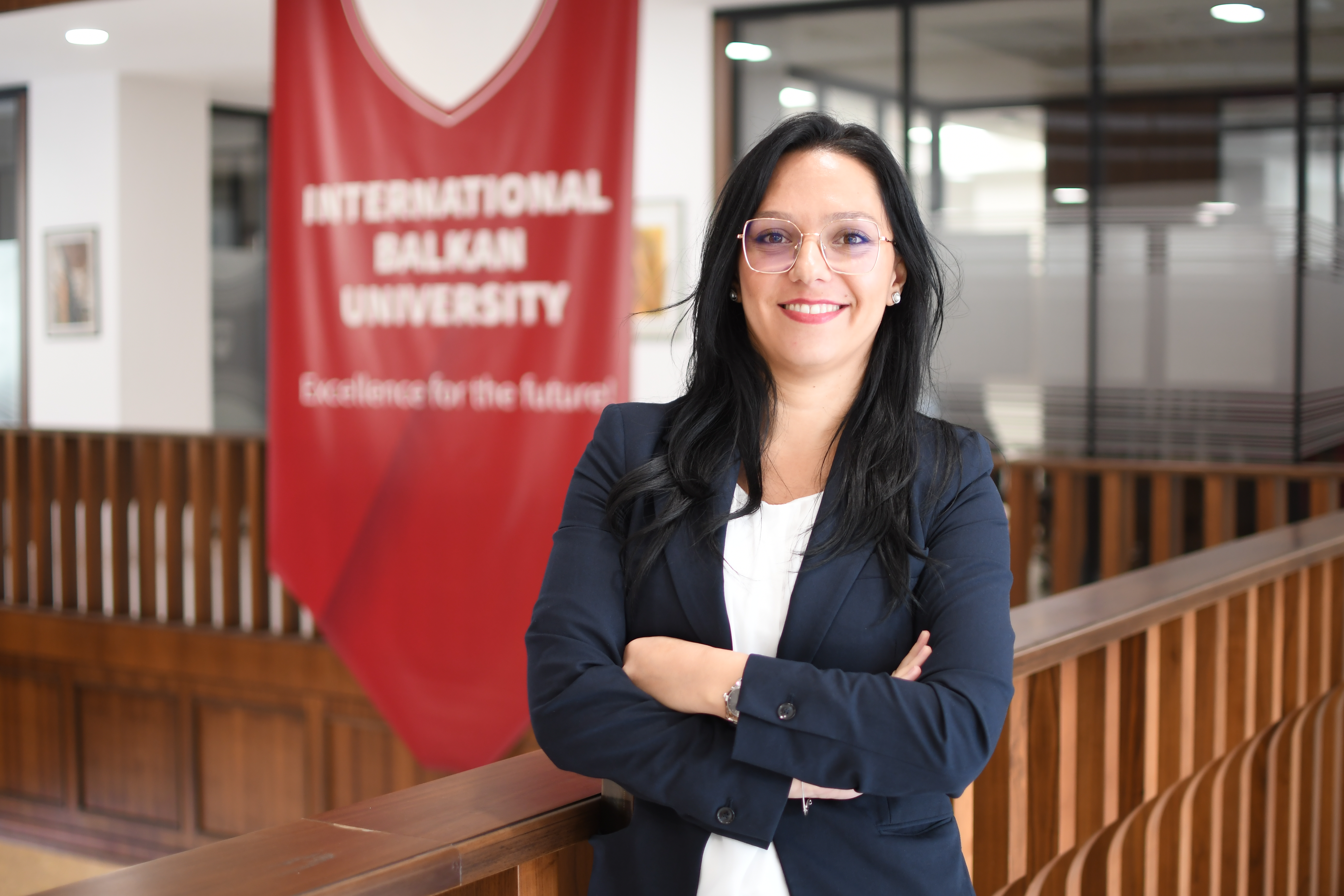
BUP Interview with Arbresha Ibrahimi
Date: 25.11.2024 -

The first volume of Balkan Research Journal is here
Date: 02.12.2024 -
Volume 5, Issue 2 of the Journal of Law and Politics is published
Date: 31.10.2024 -

The inaugural issue of Journal of Balkan Architecture is published
Date: 29.11.2024 -
BUP Launch Event
Date: 10.12.2024 -
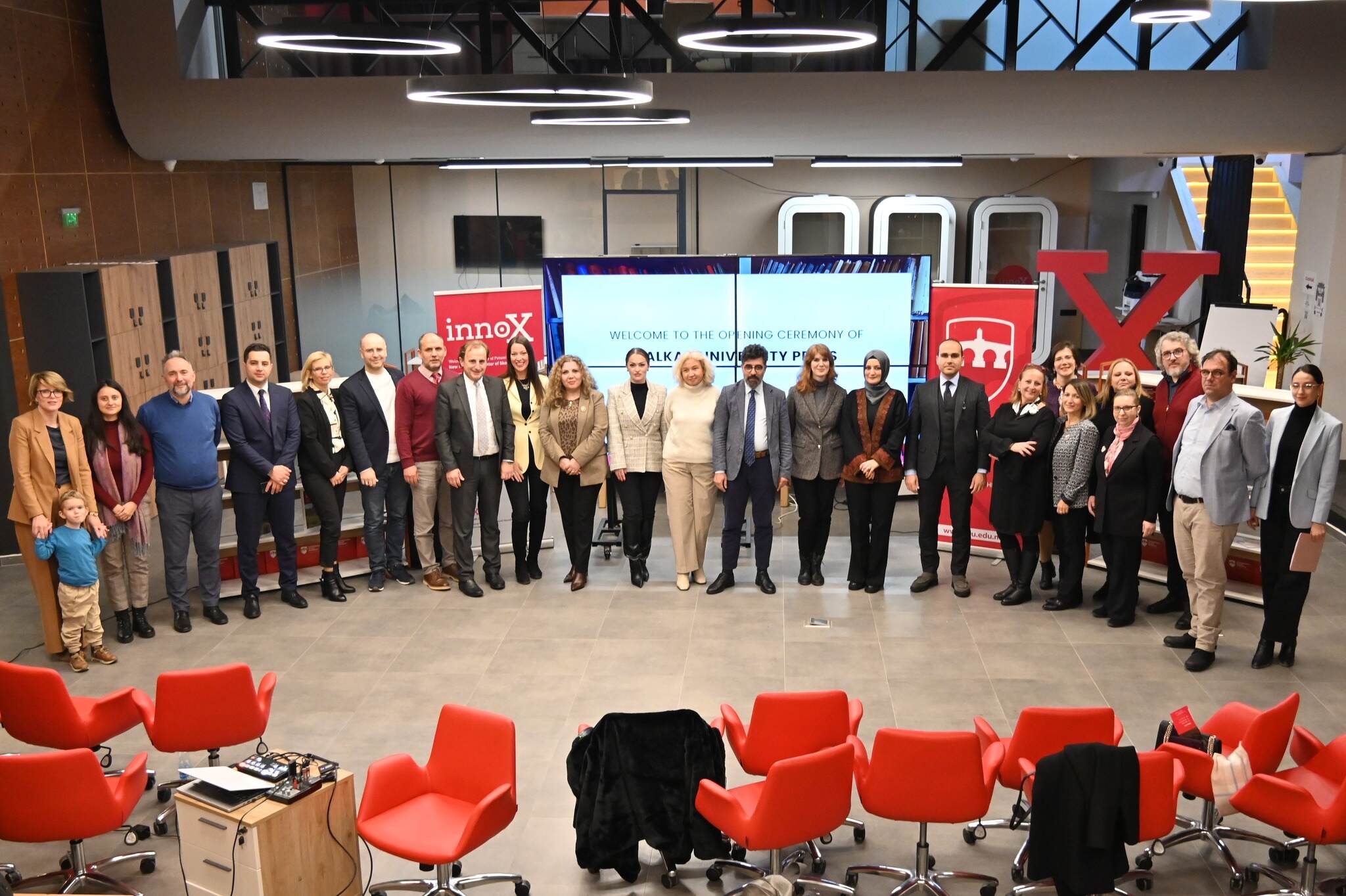
Grand Launch of Balkan University Press
Date: 12.12.2024 -

BALKAN UNIVERSITY PRESS
Date: 09.01.2025 -
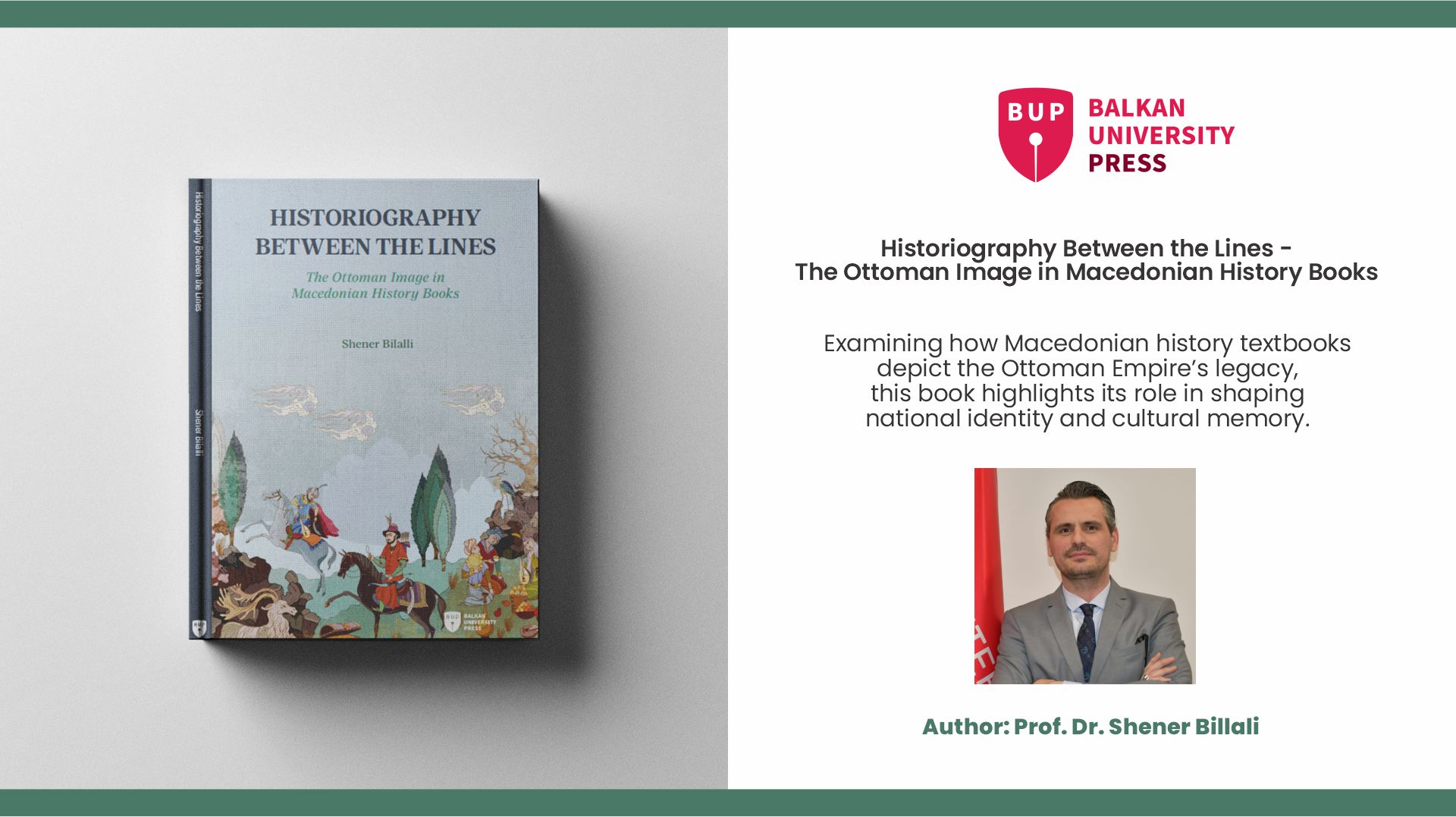
Publication of a book
Date: 30.12.2024 -
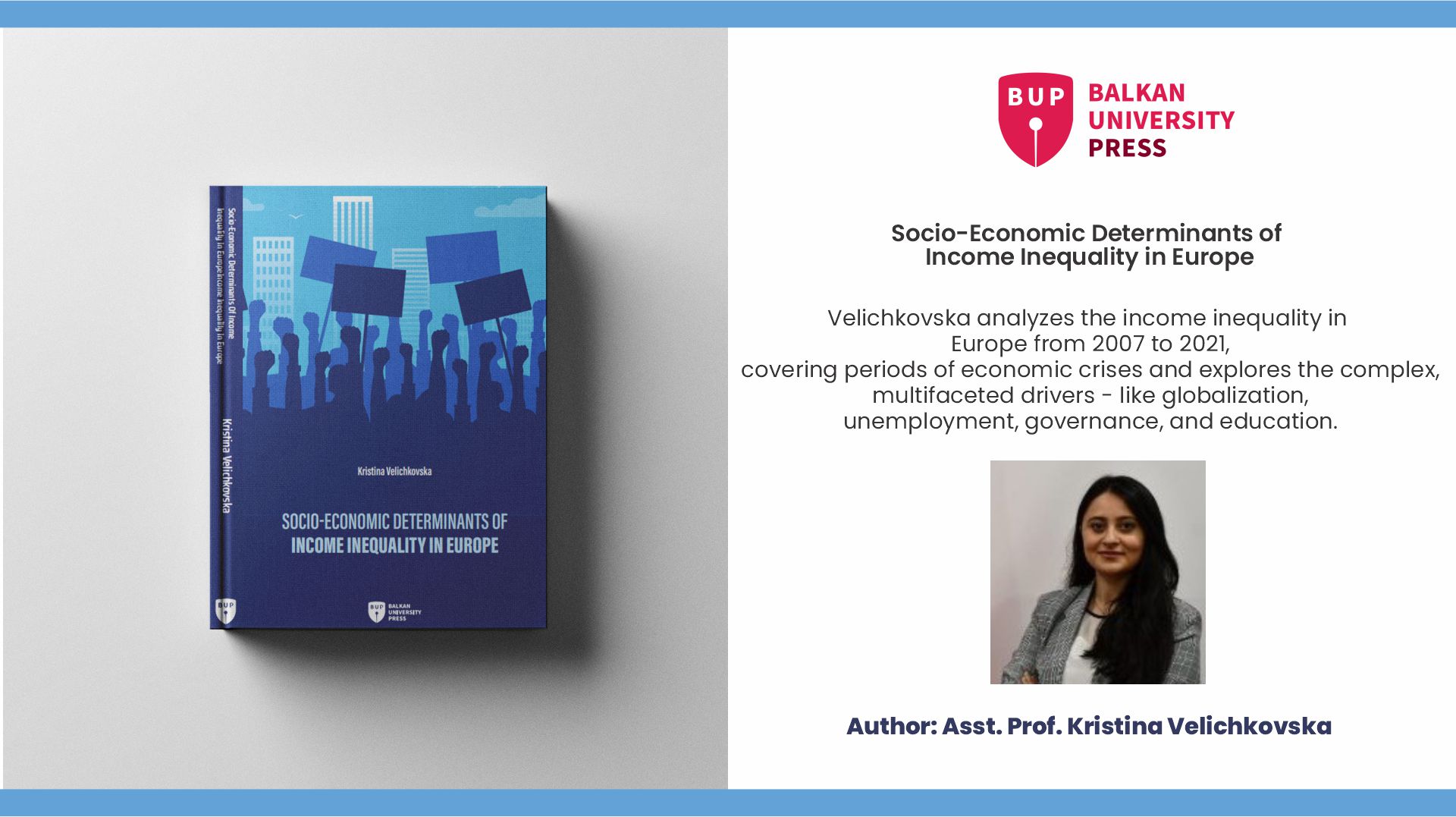
Publication of a book
Date: 24.12.2024 -
The December Issue of IJEP is published
Date: 31.12.2024 -

The December Issue of TEFMJ is published
Date: 16.01.2025 -

-

BUP Interview with Asst. Prof. Kristina Velichkovska
Date: 29.01.2025 -
-

-
BUP Interview with Kefajet Edip
Date: 18.02.2025 -
BUP Academic Blog by Frank Weinreich
Date: 20.02.2025 -

-
-
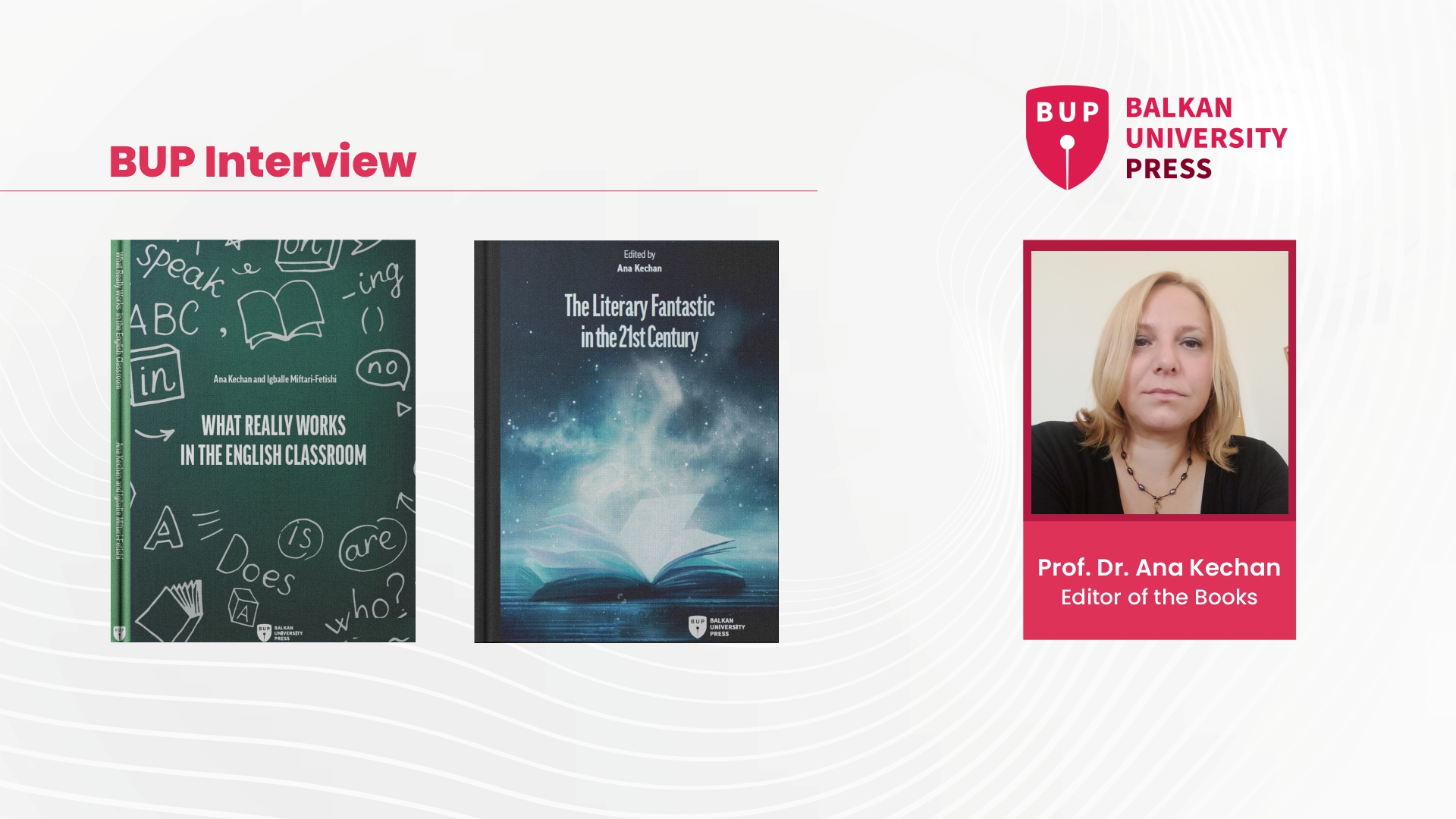
BUP Interview with Prof. Dr. Ana Kechan
Date: 30.04.2025 -
BUP Interview with Ozlem Kurt
Date: 14.05.2025 -

BUP Interview With Assoc. Prof. Igballe Miftari-Fetishi
Date: 03.09.2025 -
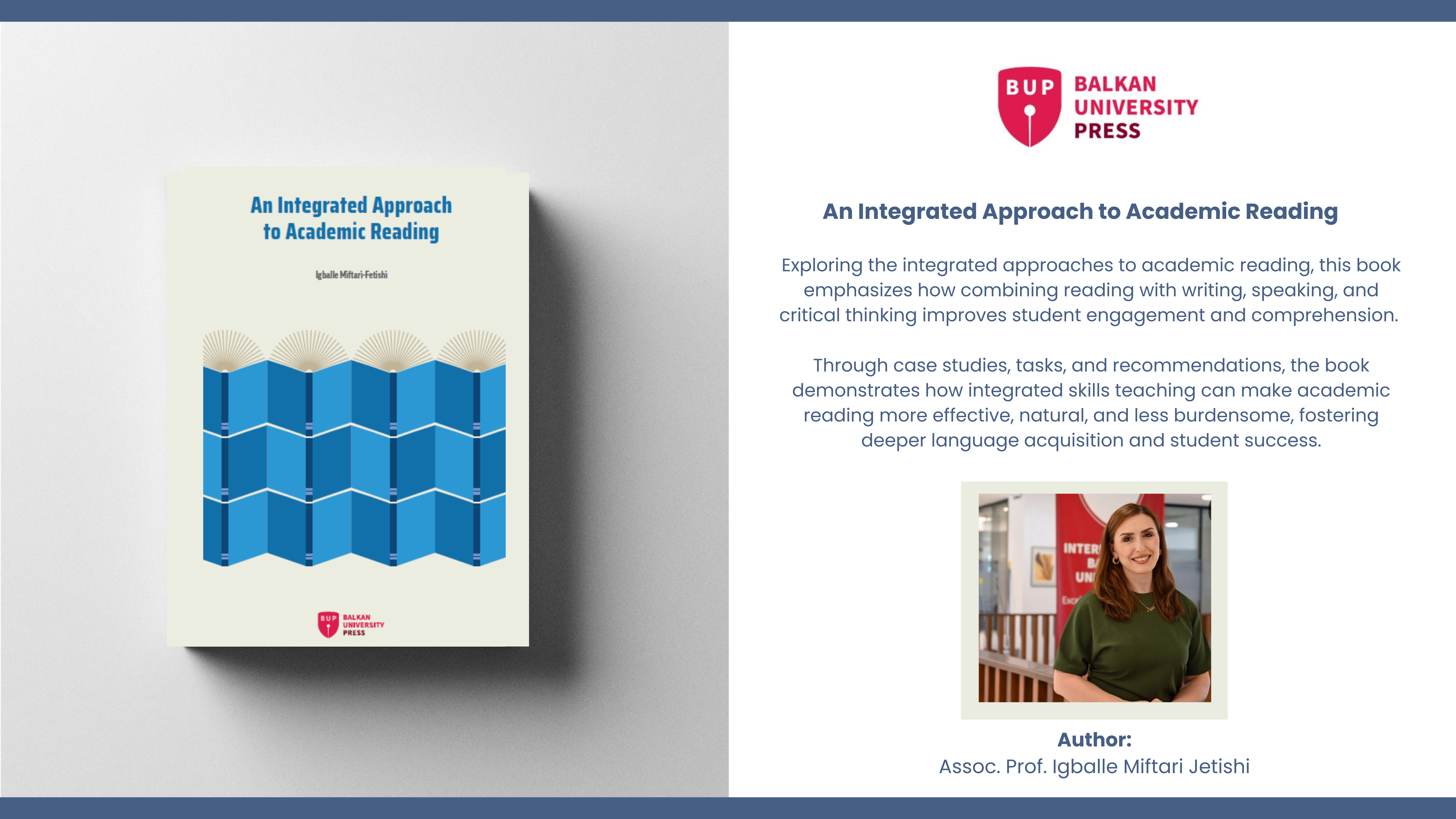
Publication of the book "An Integrated Approach to Academic Reading"
Date: 09.09.2025 -

BUP Interview with Nikola Dacev
Date: 15.09.2025 -

Publication of the book "Civil Law"
Date: 17.09.2025 -

BUP Interview with Ekaterina Namicheva Todorovska
Date: 22.09.2025 -
.png)
-
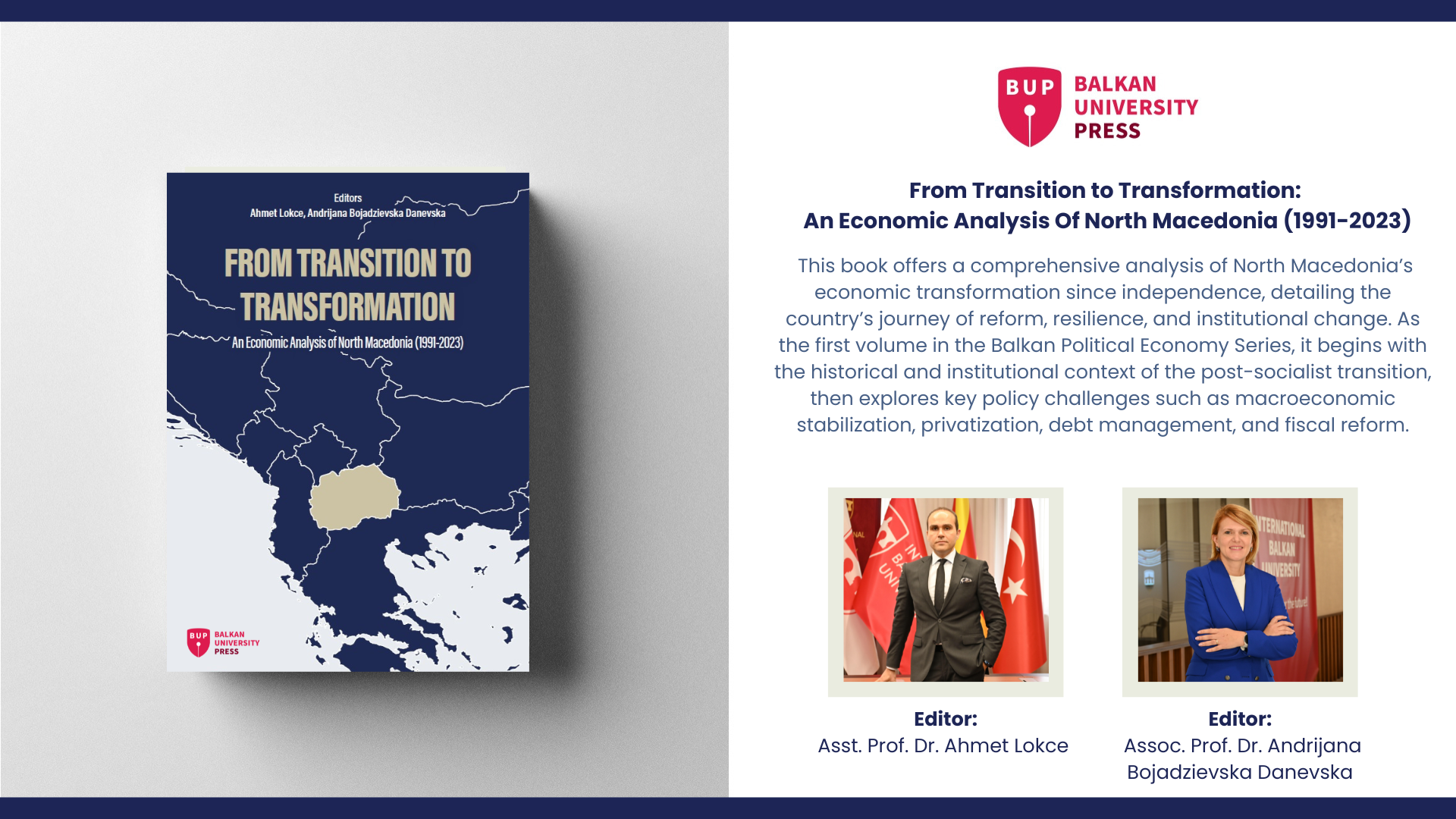
The first book of the Balkan Political Economy Series is published
Date: 07.10.2025 -
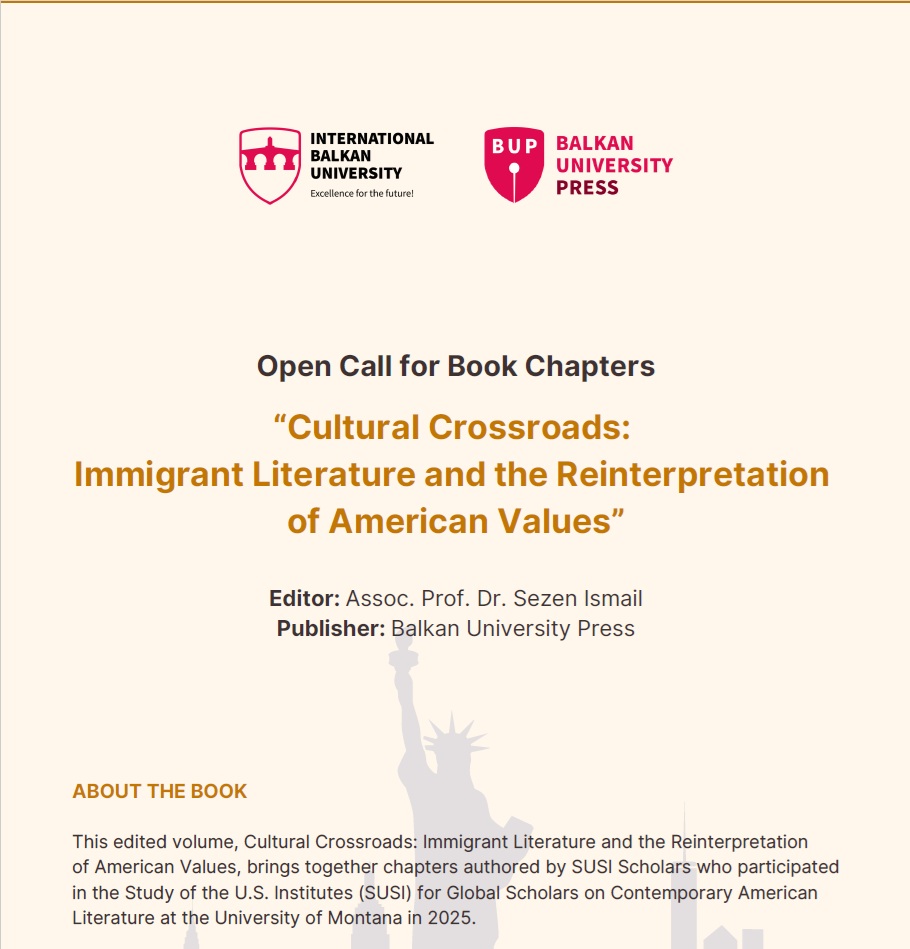
OPEN CALL for Book Chapters
Date: 08.10.2025 -

-
.png)
-

BUP Interview with Sumea Ramadani
Date: 24.10.2025 -
.png)
Publication of the book "Two Worlds of Healing" by Sumea Ramadani
Date: 05.11.2025 -
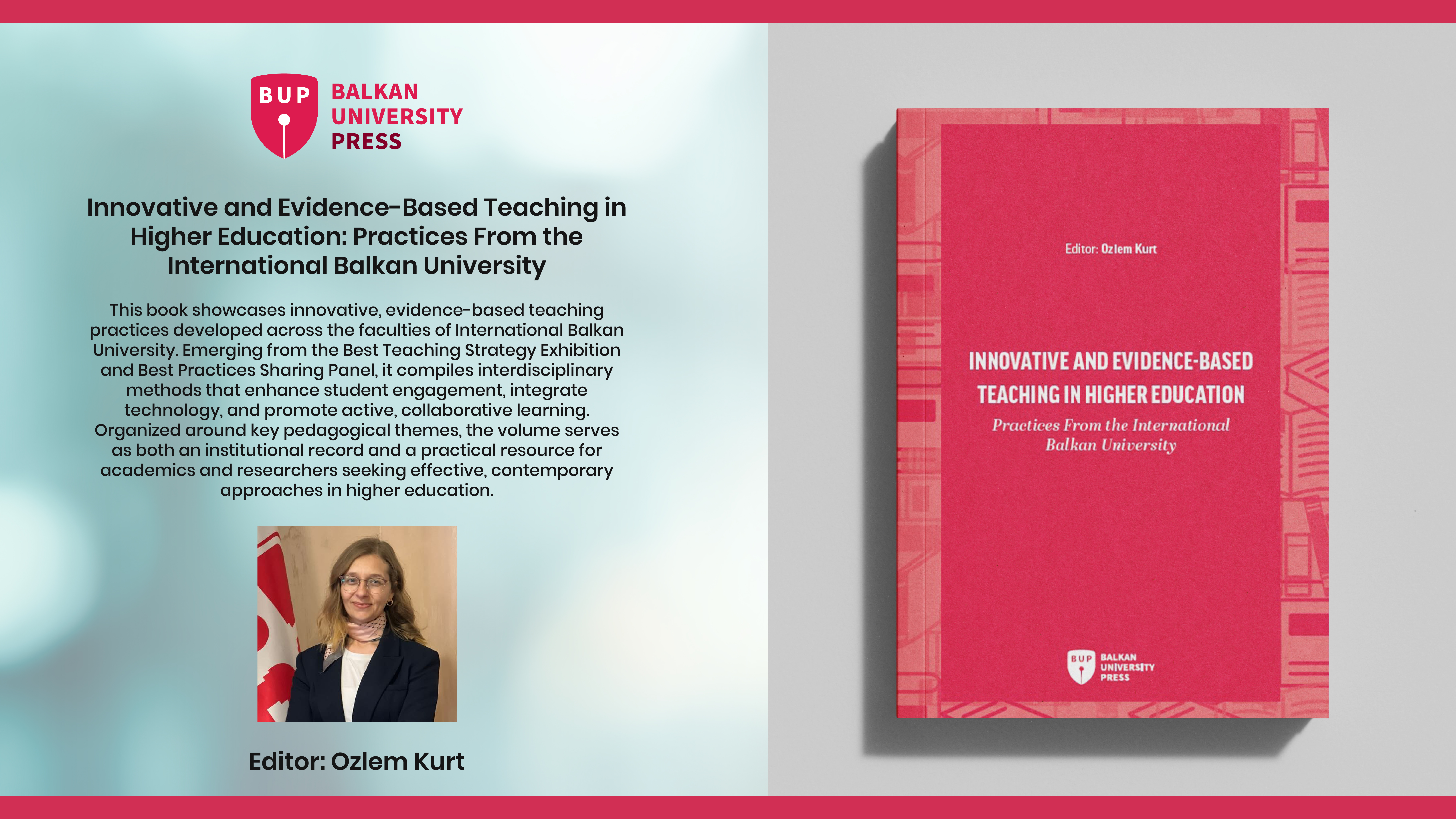
New BUP Publication
Date: 23.12.2025 -
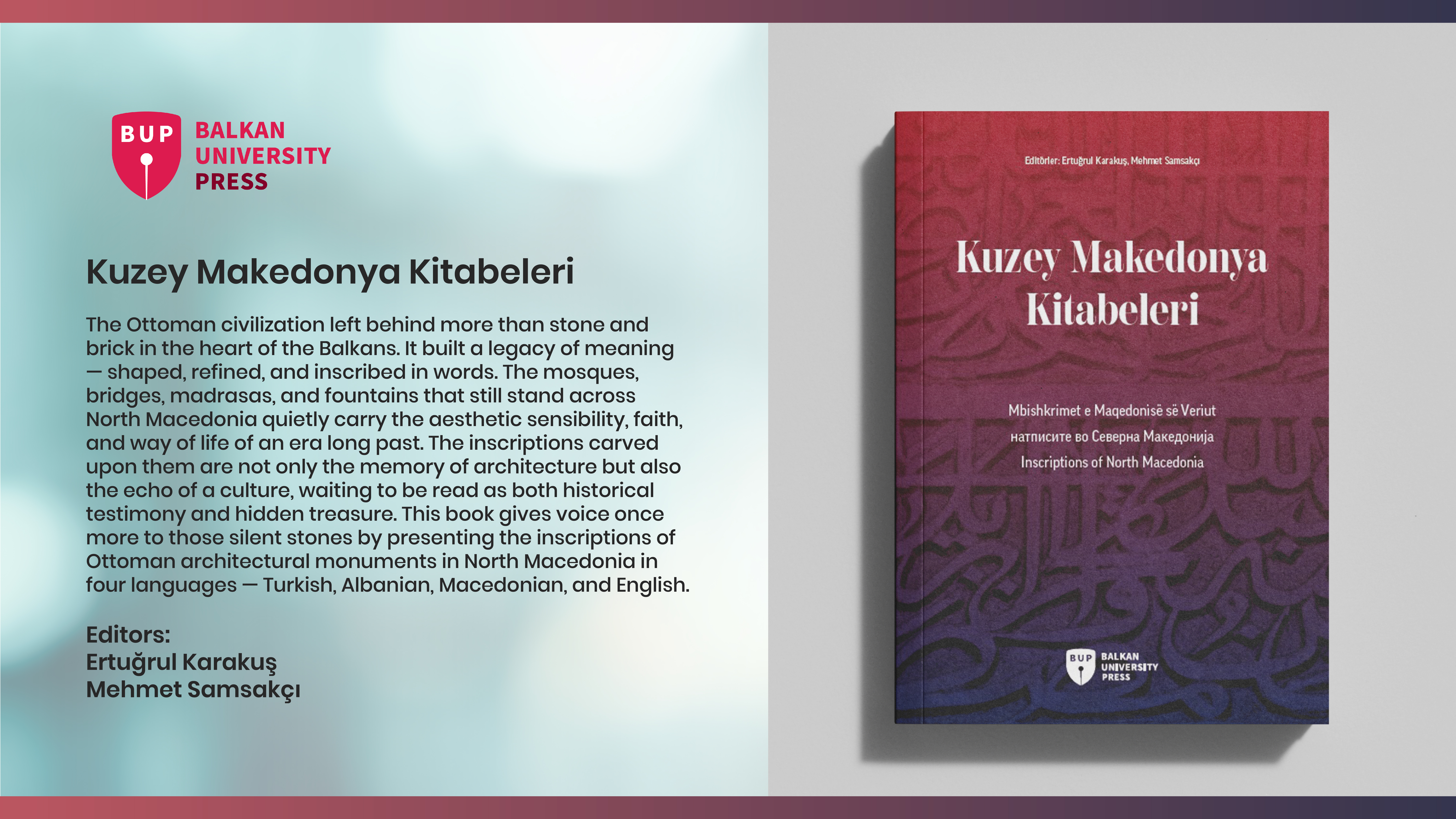
Publication of the book "Kuzey Makedonya Kitabeleri"
Date: 26.12.2025 -
-
BUP Interview with Prof. Marija Miloshevska Janakieska
Date: 17.03.2026 -
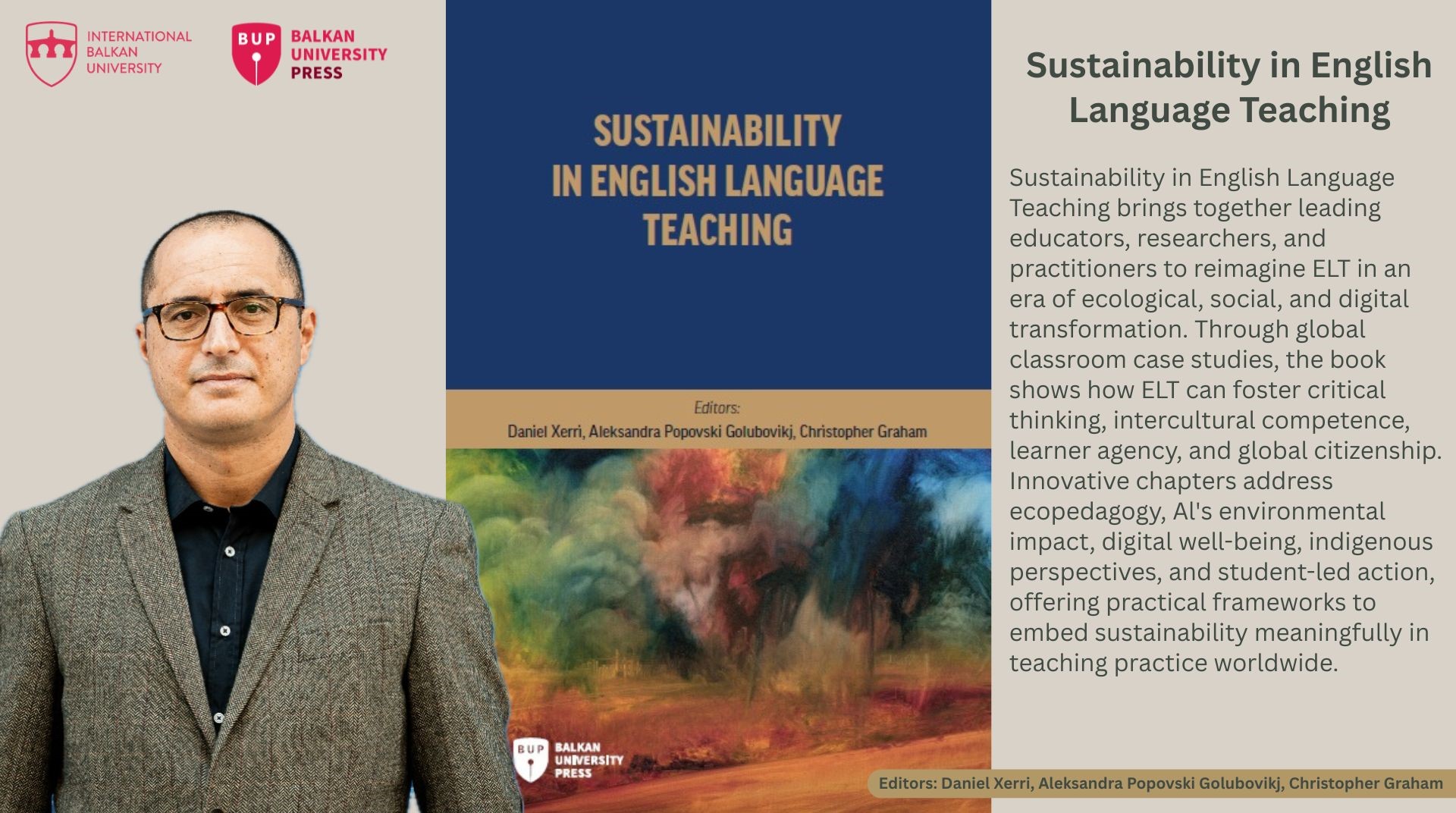
BUP Interview wIth Prof. Daniel Xerri
Date: 19.03.2026 -
.jpg)
BUP Interview with Marija Spaseska
Date: 27.03.2026 -
-
BUP Interview with Ana Kechan
Date: 31.03.2026 -

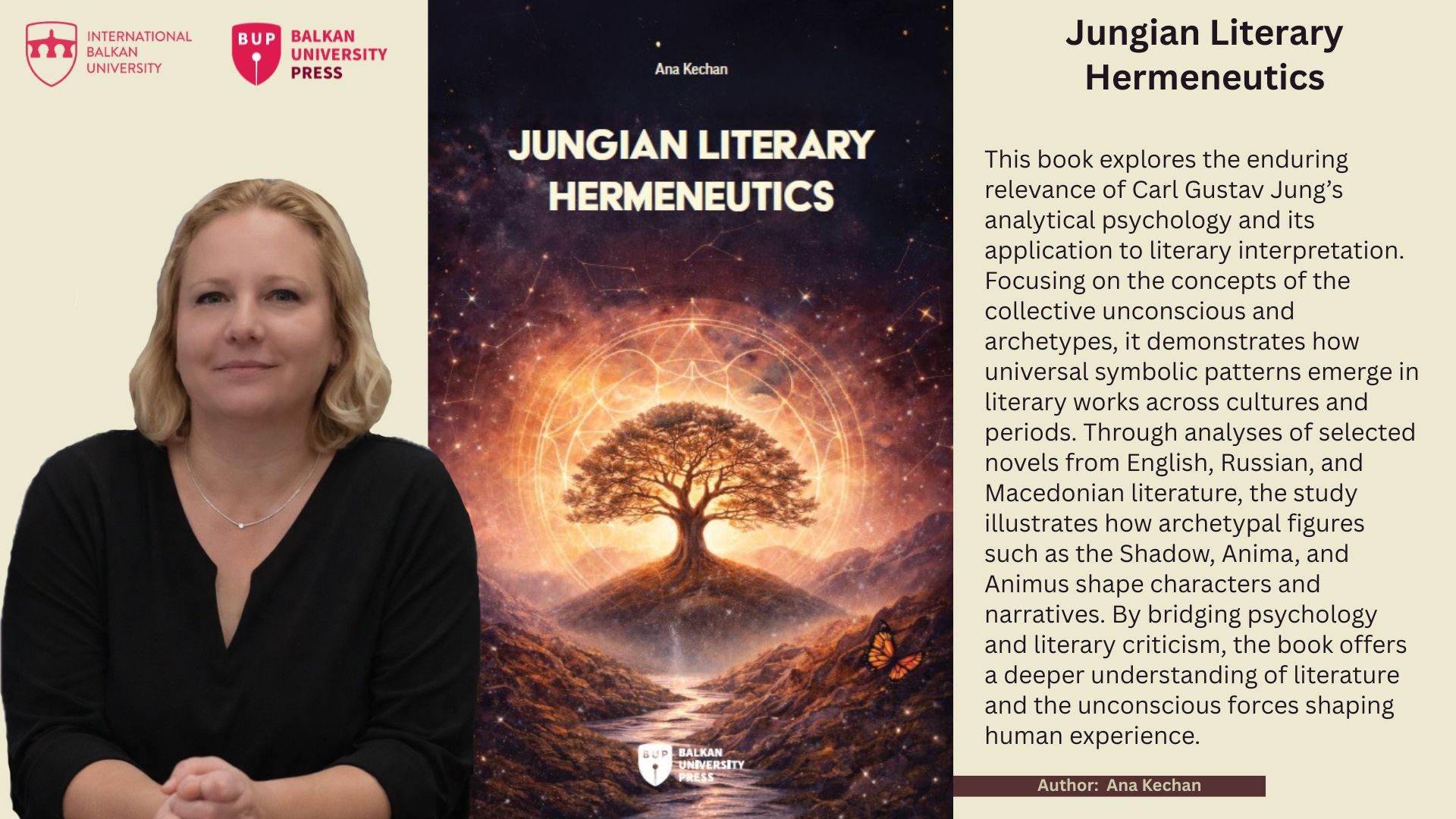
Publication of the book "Jungian Literary Hermeneutics"
Date: 06.04.2026 -
.jpg)
Publication of the book "Ethics: Action, Power, and Moral Autonomy"
Date: 23.07.2026 -
.jpg)
-

-
