
BUP Interview with Prof. Dr. Bejtulla Demiri: Ethics, Power, and the Search for a Responsible Society
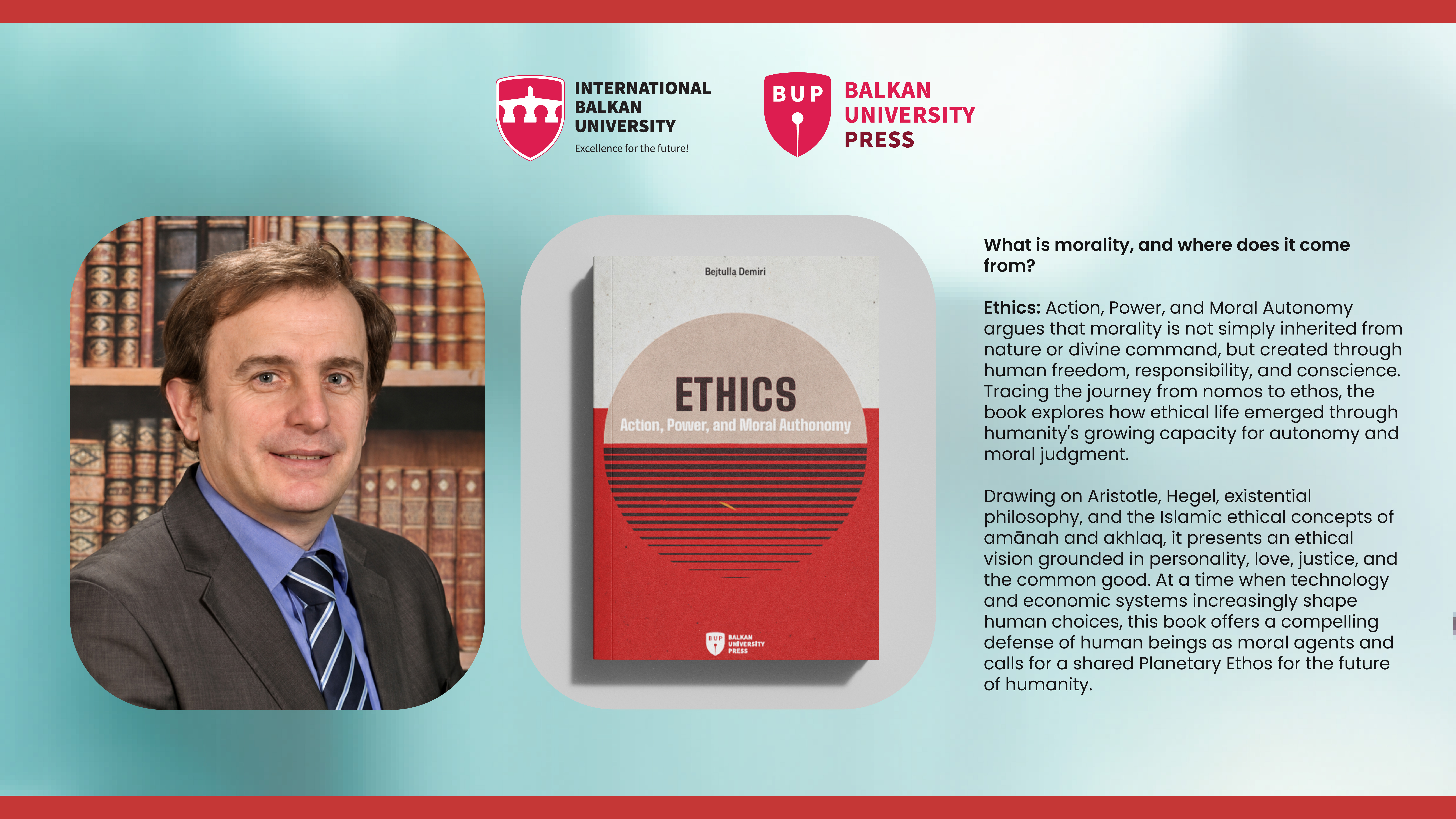
Ethics has long been at the heart of philosophical inquiry, but in an era shaped by technological transformation, political uncertainty, and global interdependence, its relevance has become more pressing than ever. In his latest book, Ethics: Action, Power, and Moral Autonomy, Prof. Dr. Bejtulla Demiri explores ethics as an evolving intellectual tradition that connects ontology, political theory, moral philosophy, and Islamic ethical thought into a comprehensive vision of responsible human action. In this conversation with Balkan University Press, Prof. Demiri reflects on the ideas that shaped his book, discussing the relationship between power and legitimacy, the ethical challenges posed by technology, the role of virtue in political life, and the importance of developing a shared planetary ethos based on responsibility and human dignity.
BUP: Your book moves through ontology, political theory, and comparative ethics, and closes with a chapter on Islamic philosophy and a "planetary ethos." What drew you toward such a wide interdisciplinary canvas?
Prof. Dr. Bejtulla Demiri: Generally, I see the world as one integrated reality. I have never seen ontology, political theory, and ethics as separate fields. They are deeply interconnected, because our understanding of reality shapes how we organize society and how we think people should act.
BUP: The book traces a movement "from primordial fear to rational autonomy," through what you call the Magus, the Poet, and the Philosopher. What does this framing capture that a more conventional history of ethics would miss?
Prof. Dr. Bejtulla Demiri: This framework shows that ethics is not a fixed idea but an ongoing process that develops with human society and consciousness. The Magus, the Poet, and the Philosopher are simplified ways of explaining different stages of human development. These stages are not completely separate, they always overlap. Even today, we still live with myth, fear, imagination, and reason at the same time. Likewise, earlier societies also had wisdom and critical thinking. This framework presents ethics as part of humanity's intellectual and spiritual evolution, not simply as a history of moral ideas.
BUP: A recurring theme in the book is the distinction between raw power and legitimate authority. Why does this distinction matter so much for you, especially given your work in public policy?
Prof. Dr. Bejtulla Demiri: My scientific background is in political science, where power is a central concept. This is why the relationship between power and legitimacy is so important to me. The main ethical question in politics is how to create forms of power that cannot be easily misused. The ultimate goal of political science is not only to understand power, but to contribute to the creation of a just and moral society. A moral political actor must be well educated, possessing reason, intellectual capacity, and the ability to act responsibly. At the same time, political leadership must be guided by moral values that reflect rationality, wisdom, and ethical responsibility. Power alone cannot create justice; only legitimate authority based on trust, accountability, and public consent can achieve good governance. Unfortunately, this system of values is often missing in today’s global political reality.
BUP: You write with real concern about technology, automation, and what you call "the invasion of things"; the risk that algorithmic systems and economic machinery might replace human judgment. How serious is this danger, in your view?
Prof. Dr. Bejtulla Demiri: The idea of the “invasion of things” is a broader concept related to technology, industry, lifestyle, and human ambition. It describes a tendency toward materialism and hedonism, where things become the primary goal of human life. This can be destructive because it may encourage unethical behavior and weaken human values. The problem is not technology itself, but the moment when material systems and technological efficiency begin to replace human judgment, responsibility, and ethical reflection. Technology should remain a tool for human development, not become the purpose of human existence. We need a balance where progress is guided by moral values and human dignity.
BUP: The eighth chapter brings Al-Fārābī and Al-Ghazālī into conversation with the Kantian and Arendtian traditions discussed earlier in the book. What does Islamic ethical thought, particularly the concept of Akhlaq, contribute that Western frameworks alone do not fully provide?
Prof. Dr. Bejtulla Demiri: Based on my earlier research on Islam and Akhlaq, I see Islamic ethical thought as contributing a dimension that is often less developed in modern Western frameworks: the idea that ethics is not only about moral rules, rational decisions, or social institutions, but also about the transformation of the human being.
Thinkers such as Al-Fārābī and Al-Ghazālī show that a just society depends not only on institutions, but also on the cultivation of virtuous individuals. While Kant emphasizes autonomy and reason, and Arendt focuses on responsibility and public action, Akhlaq, adds a deeper dimension by connecting morality with inner development, responsibility, and human purpose. It reminds us that justice requires not only good systems, but also morally responsible persons.
BUP: You close the book by calling for a "planetary ethos of responsibility and dignity." Why is this framework needed now, and what do you hope readers take from the book as a whole?
Prof. Dr. Bejtulla Demiri: I close the book with the idea of a “planetary ethos of responsibility and dignity” because the challenges we face today, climate change, artificial intelligence, war, inequality, and ecological crisis, are no longer limited to individual countries. We are deeply interconnected, and our ethical thinking needs to reflect that reality.
For me, a planetary ethos means expanding our sense of responsibility, not only toward ourselves and our communities, but also toward future generations and the planet we share. At the center of this is the idea that human dignity must remain the foundation of our actions. What I hope readers take from the book is that ethics is not only about rules or individual decisions. It is also about the kind of people we become, the societies we build, and the world we leave behind. Ultimately, I hope the book encourages a movement from personal moral transformation toward a more responsible and humane society.
About the Author
Prof. Dr. Bejtulla Demiri is a Professor of Political Sciences at the International Balkan University in Skopje. His academic work is driven by fundamental questions about political life: how institutions shape ethical behavior, how power can be exercised responsibly, and how different moral traditions, including Islamic political thought, can contribute to contemporary governance.
His teaching and research bring together political theory, comparative politics, public policy, law, and ethics. He approaches these fields as interconnected ways of understanding how political systems function and how they can be improved. A central theme of his work is the ethical dimension of public authority and the relationship between institutional structures and individual moral responsibility.
Alongside his academic career, Prof. Demiri has served as an advisor in government institutions in North Macedonia and participated in initiatives related to policy development and institutional reform. These experiences have strengthened his belief that political ethics is not only a theoretical field but also a practical necessity in public life.
He is the author of three books and numerous scholarly articles on political ethics, institutional development, comparative politics, and moral philosophy.
Latest News
-
Opened call for the new issue of TEFMJ
Date: 10.02.2024 -
The Journal of Law and Politics welcomes your papers
Date: 10.02.2024 -
-
.png)
Call for Papers for an Edited Volume
Date: 27.05.2024 -

Open Call for Chapter Proposals
Date: 27.05.2024 -

The new issue of Journal of Law and Politics is here!
Date: 01.05.2024 -

TEFMJ June issue is published
Date: 01.07.2024 -

IJEP's Vol. 5, Issue 1 is now available!
Date: 02.07.2024 -

Vol. 4, Issue 1 - IJTNS
Date: 01.07.2024 -

The first IJAD volume is online!
Date: 02.07.2024 -

Balkan University Press Launches the Journal of Balkan Architecture
Date: 15.07.2024 -

-
Balkan Political Economy Series welcomes your proposals
Date: 18.07.2024 -

BUP Interview with Prof. Marija Miloshevska Janakieska
Date: 18.07.2024 -
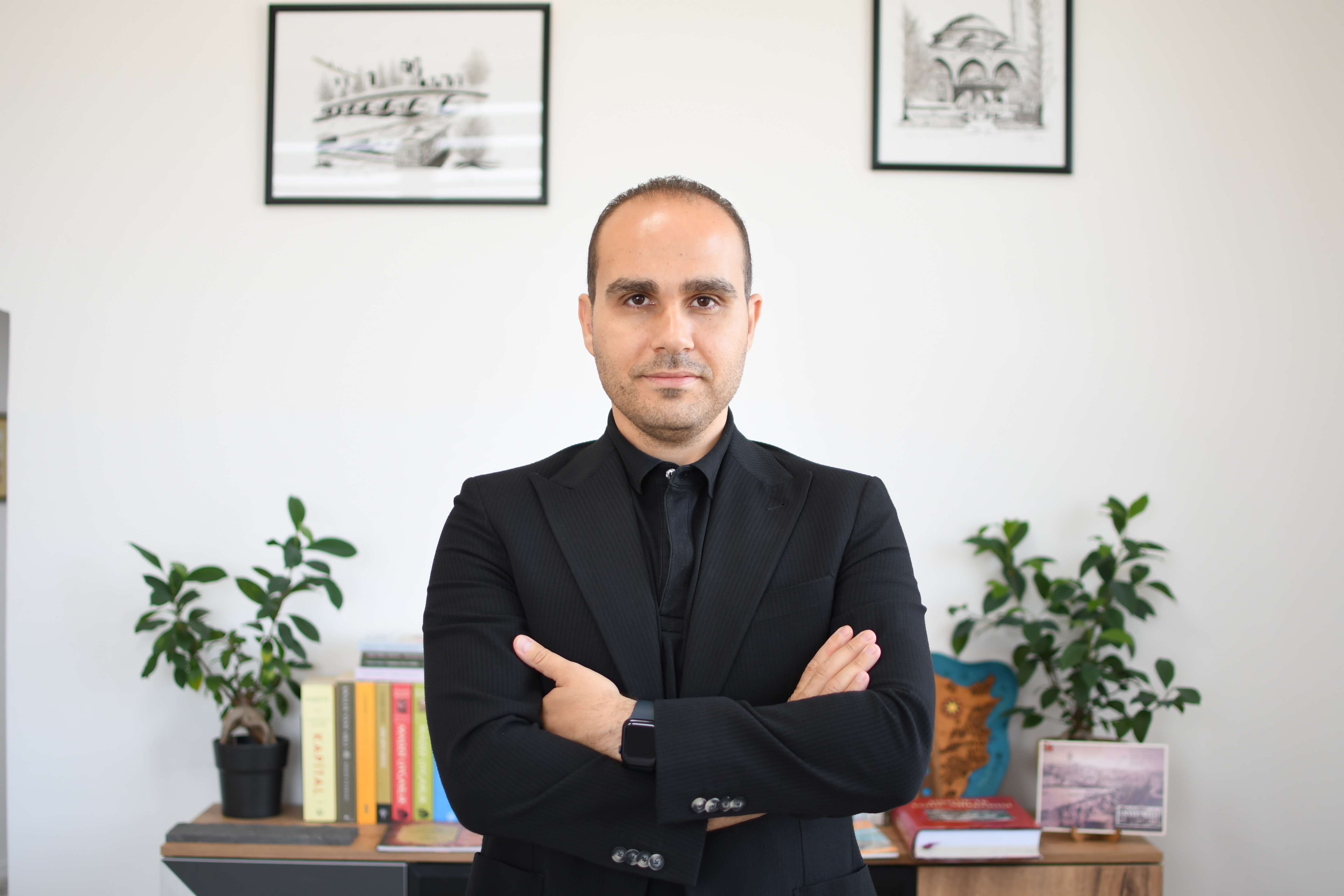
BUP Interview with Asst. Prof. Dr. Ahmet Lökçe
Date: 24.07.2024 -
-
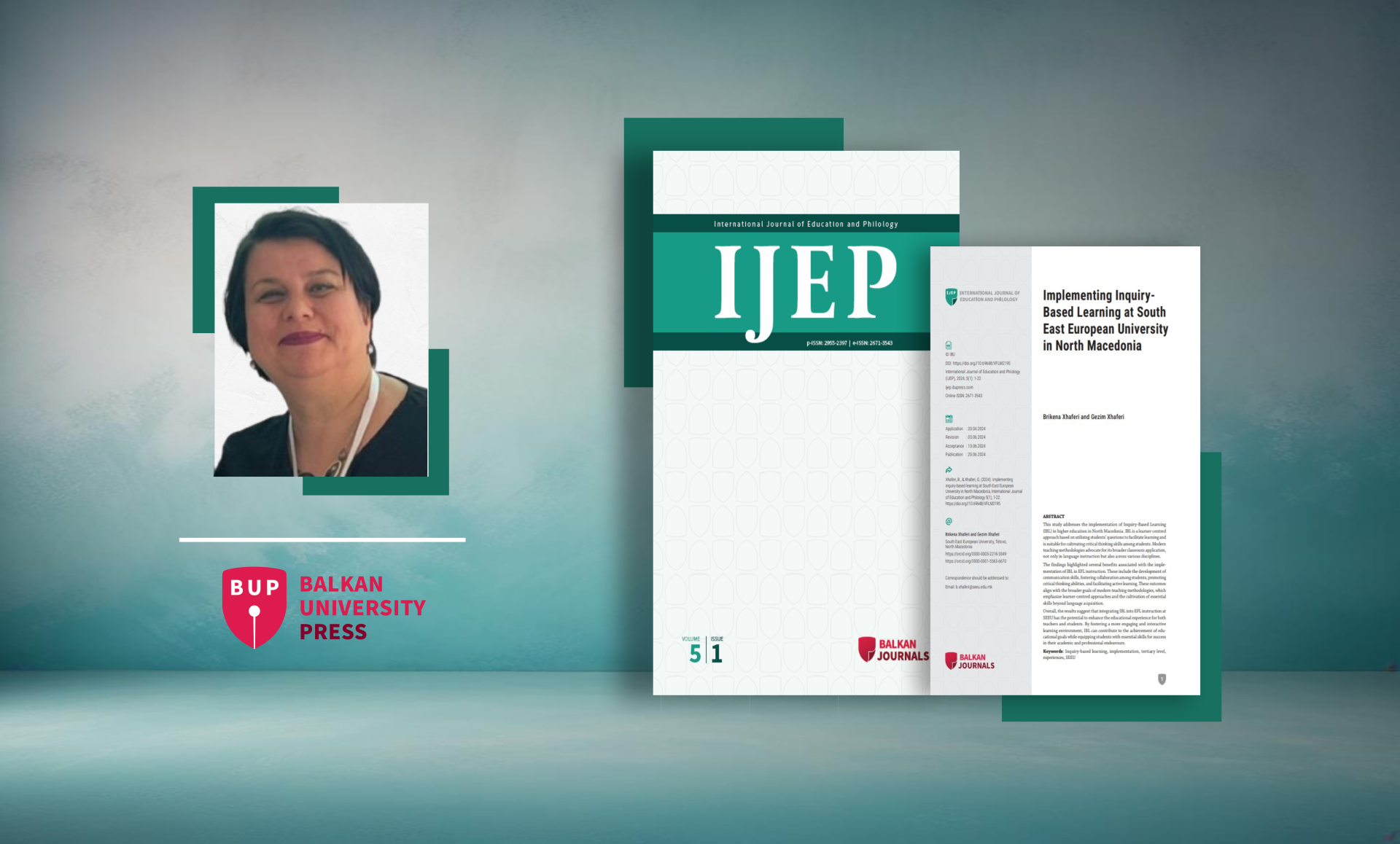
Prof. Xhaferi's blog for BUP
Date: 28.08.2024 -
-
-

IJEP is now indexed in the Copernicus Journals Master List
Date: 23.09.2024 -
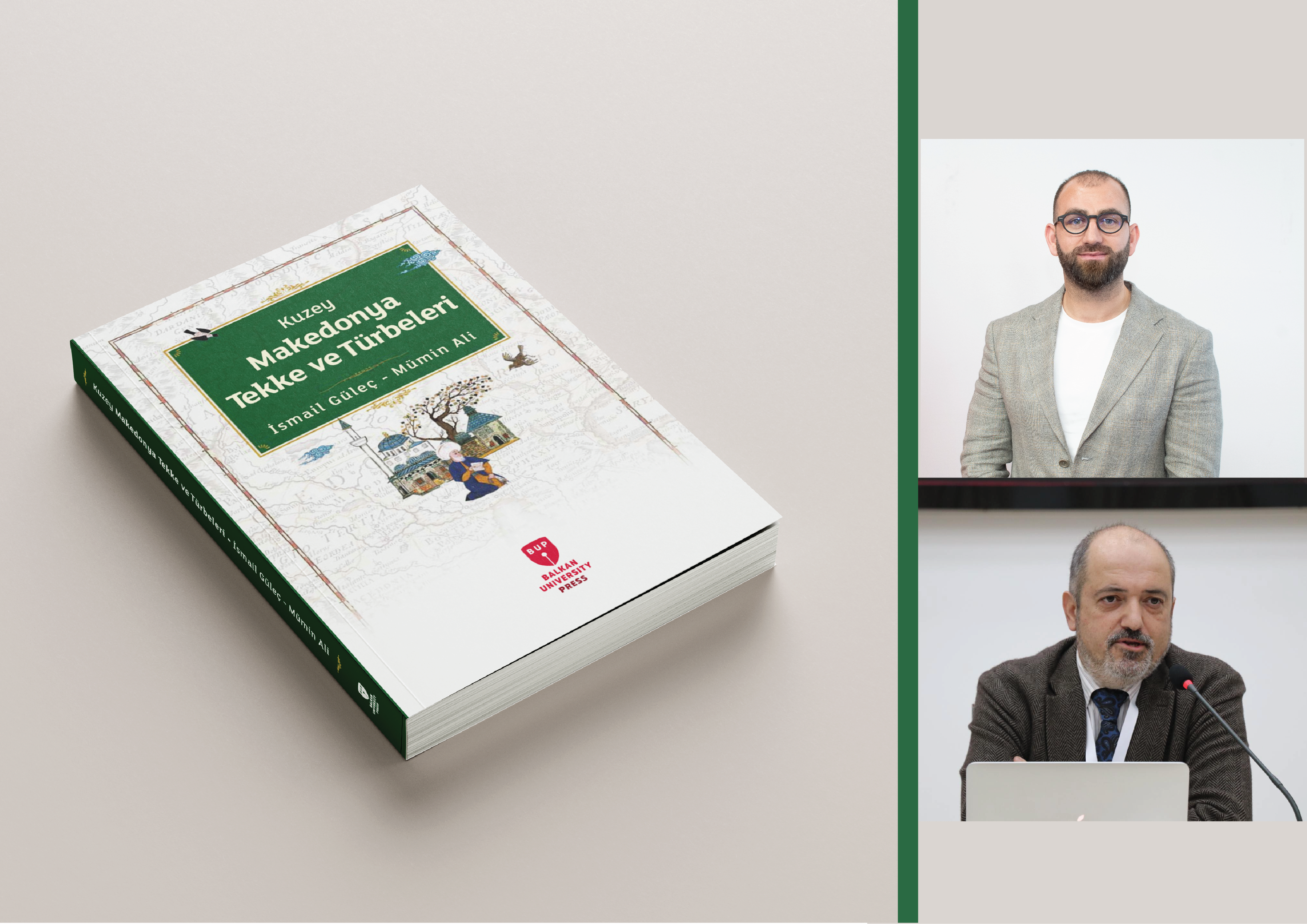
BUP INTERVIEW WITH PROF. ISMAIL GÜLEÇ AND ASST. PROF. MÜMIN ALI
Date: 26.09.2024 -
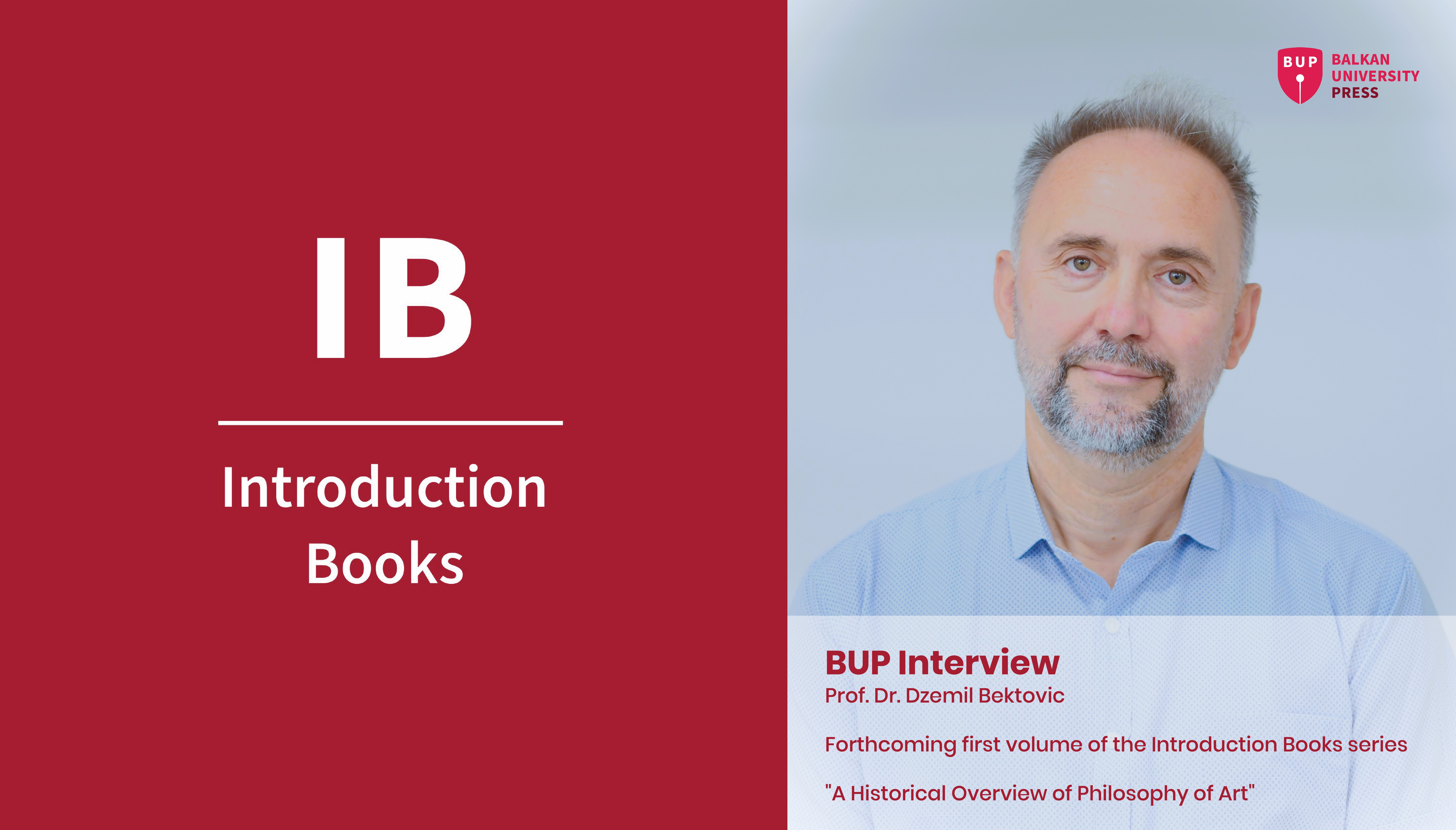
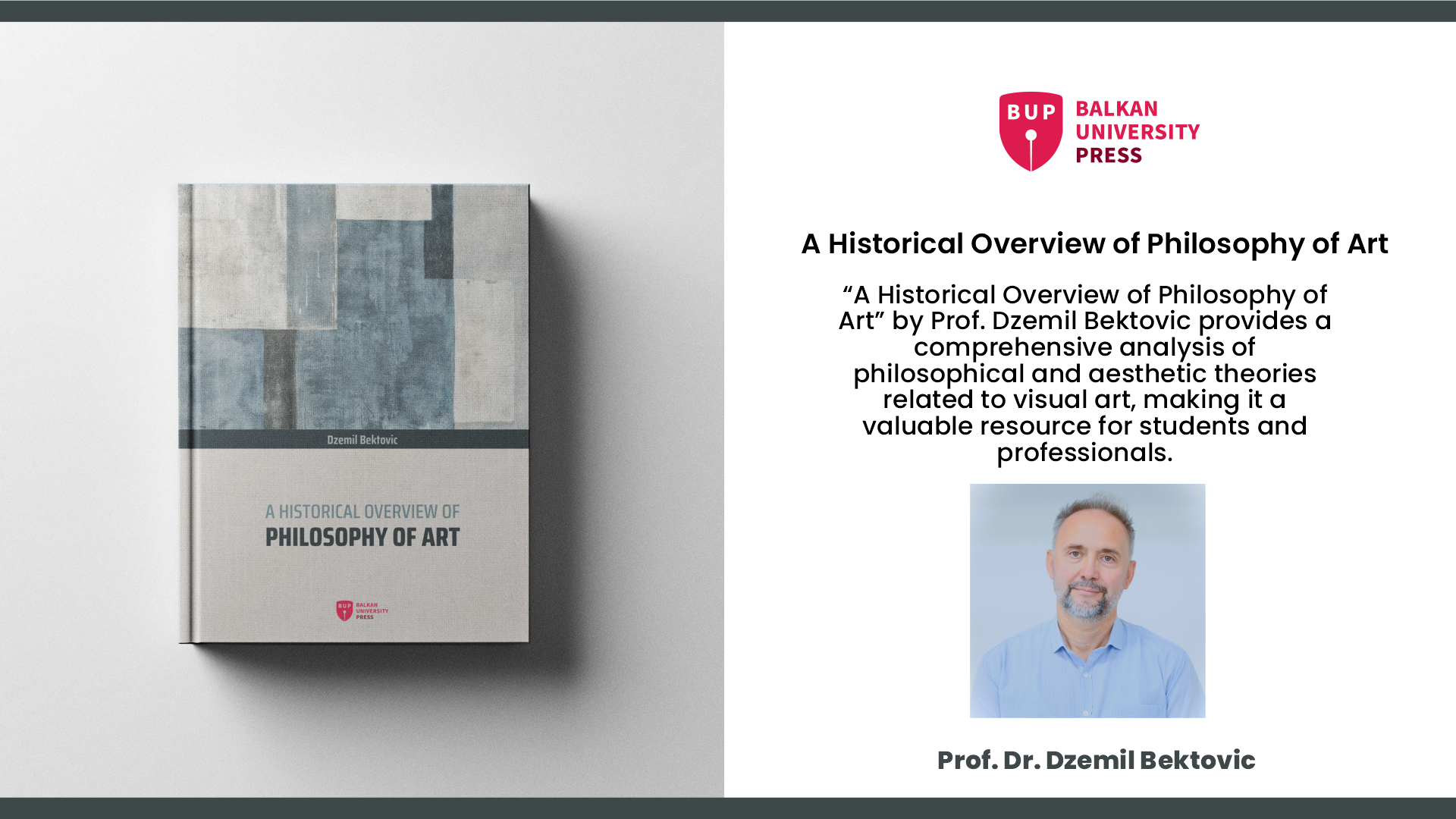
BUP Interview with Prof. Dzemil Bektovic
Date: 04.10.2024 -

-
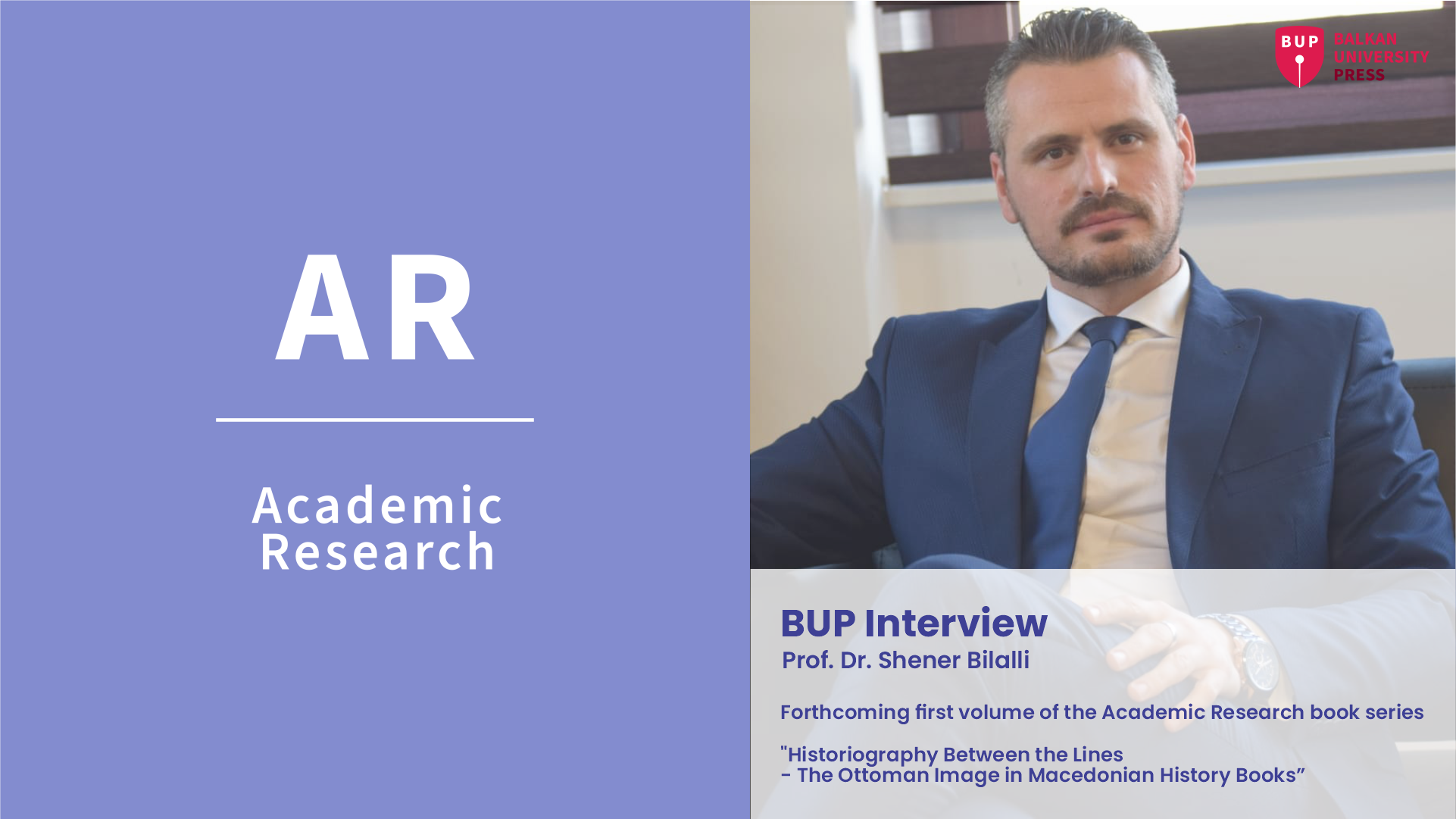
BUP Interview with Prof. Shener Bilalli
Date: 30.10.2024 -
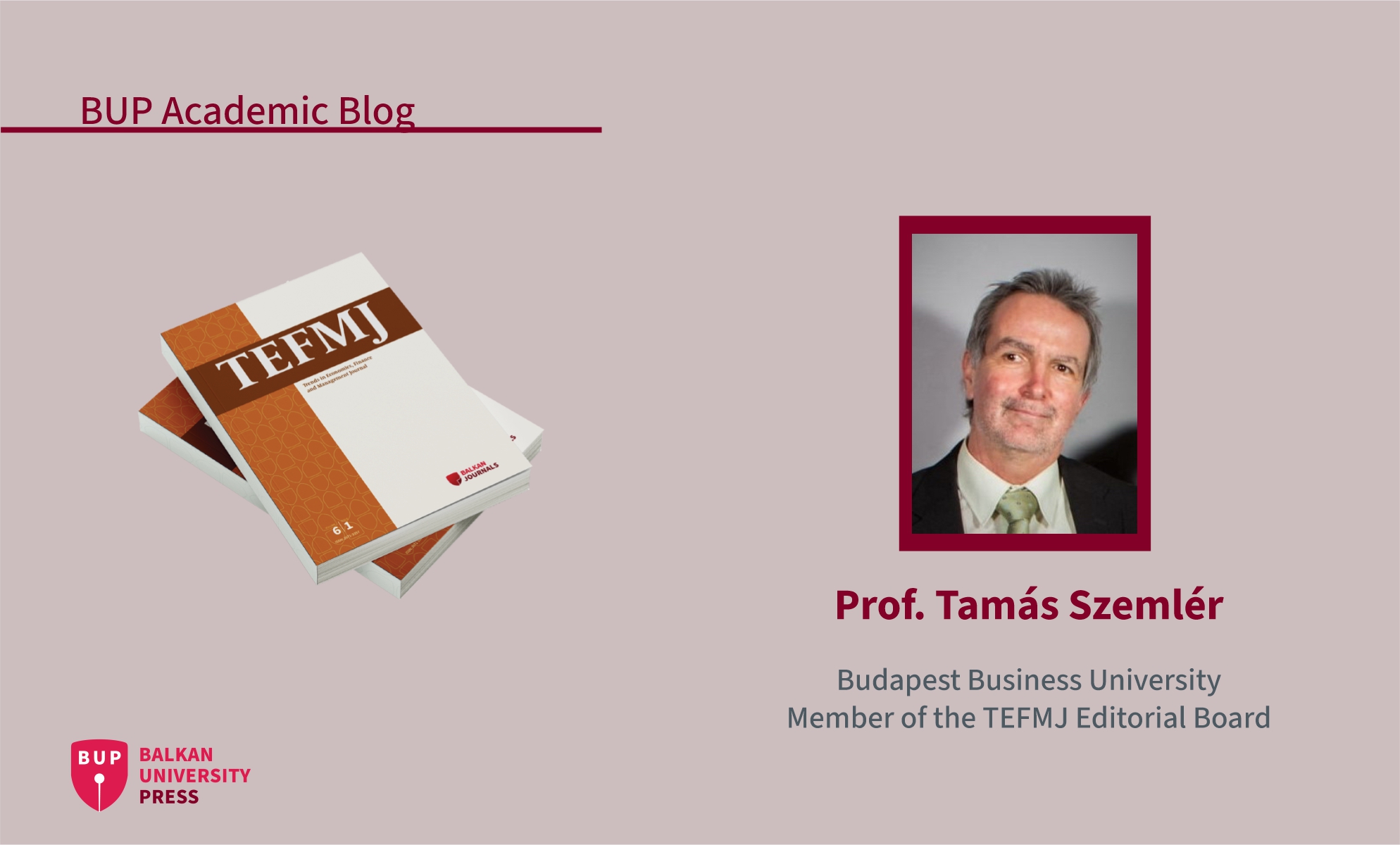
BUP Academic Blog with Prof. Tamás Szemlér
Date: 08.11.2024 -
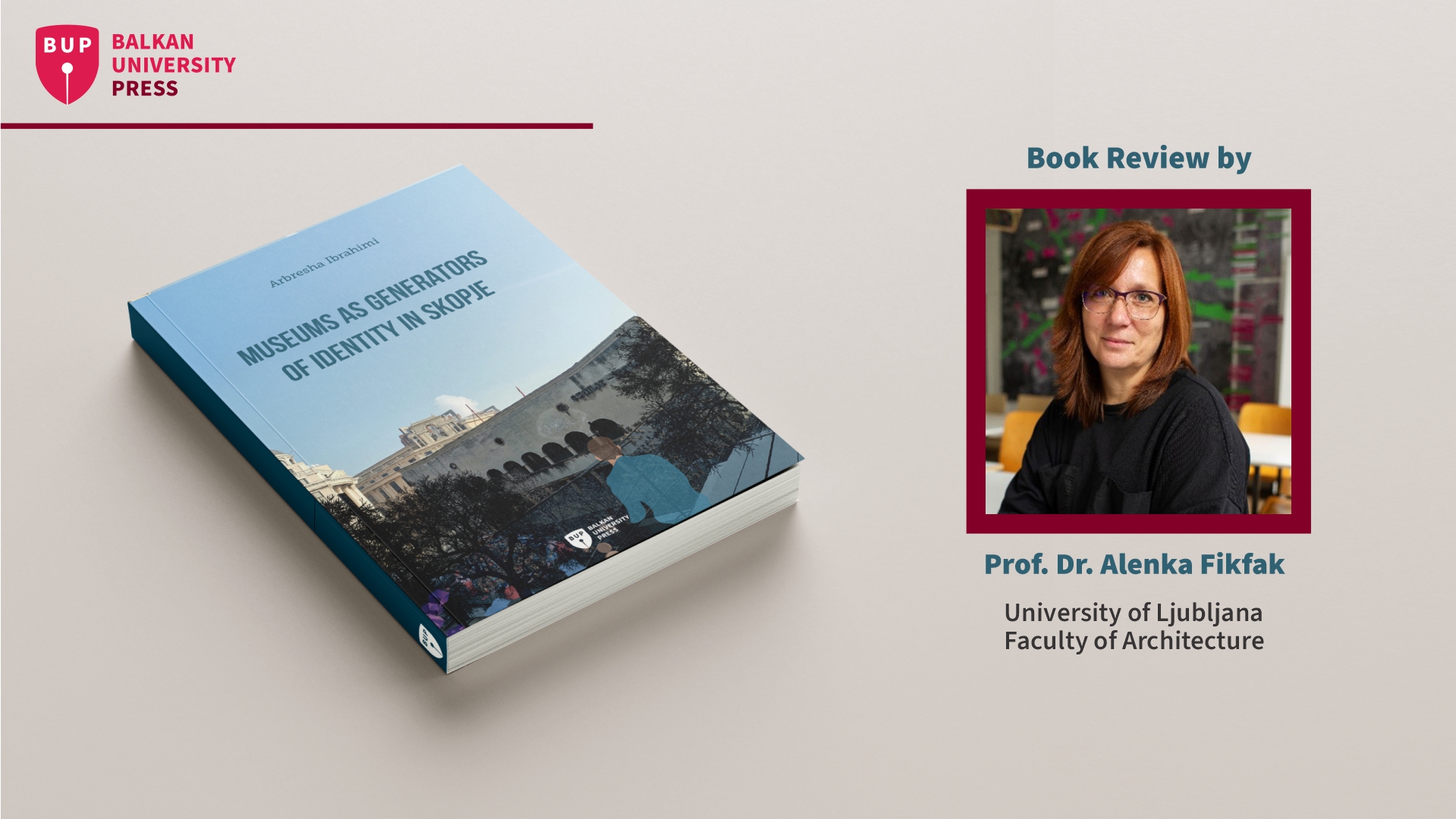
Book Review for "Museums as Generators of Identity in Skopje"
Date: 20.11.2024 -
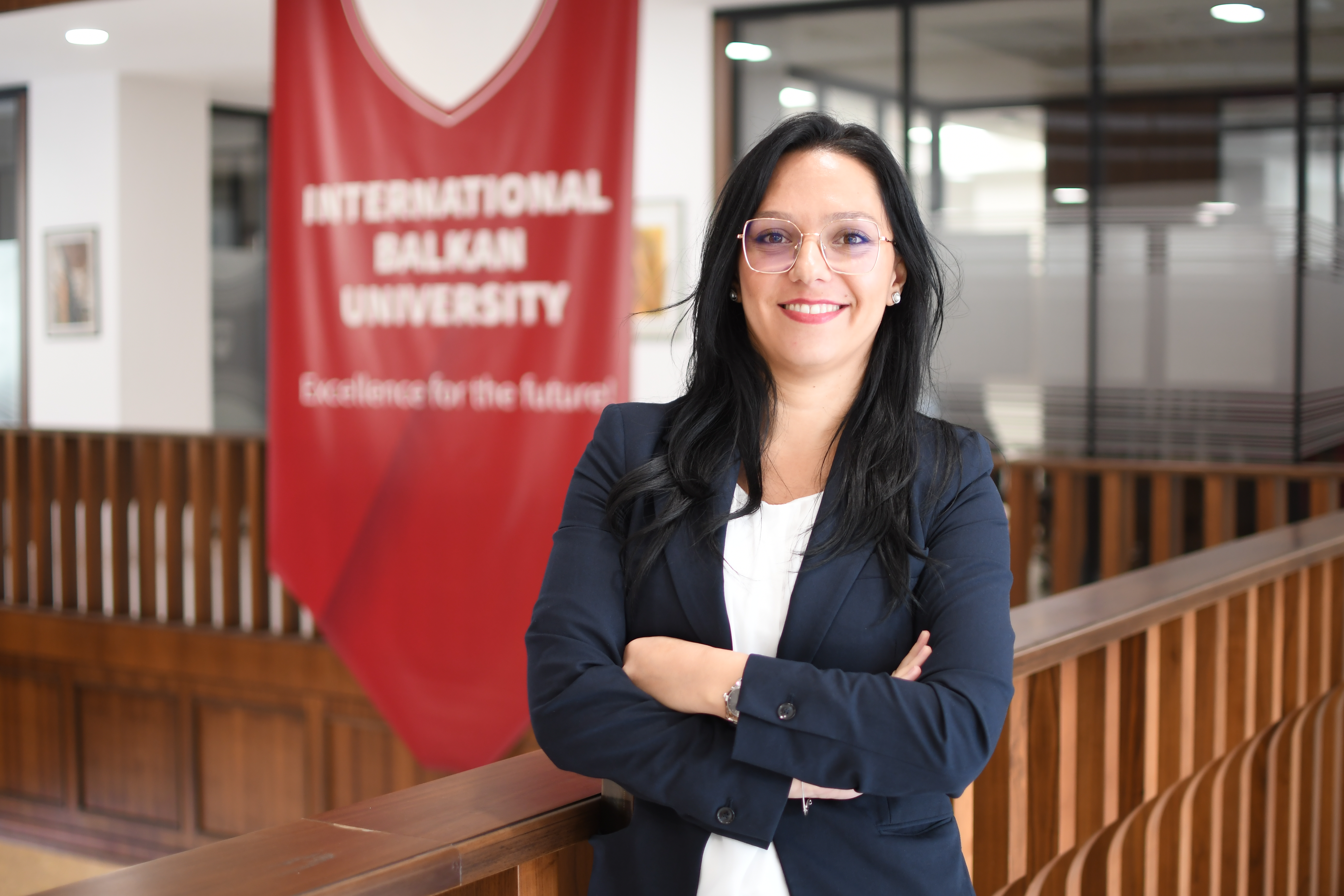
BUP Interview with Arbresha Ibrahimi
Date: 25.11.2024 -

The first volume of Balkan Research Journal is here
Date: 02.12.2024 -

Volume 5, Issue 2 of the Journal of Law and Politics is published
Date: 31.10.2024 -

The inaugural issue of Journal of Balkan Architecture is published
Date: 29.11.2024 -
BUP Launch Event
Date: 10.12.2024 -
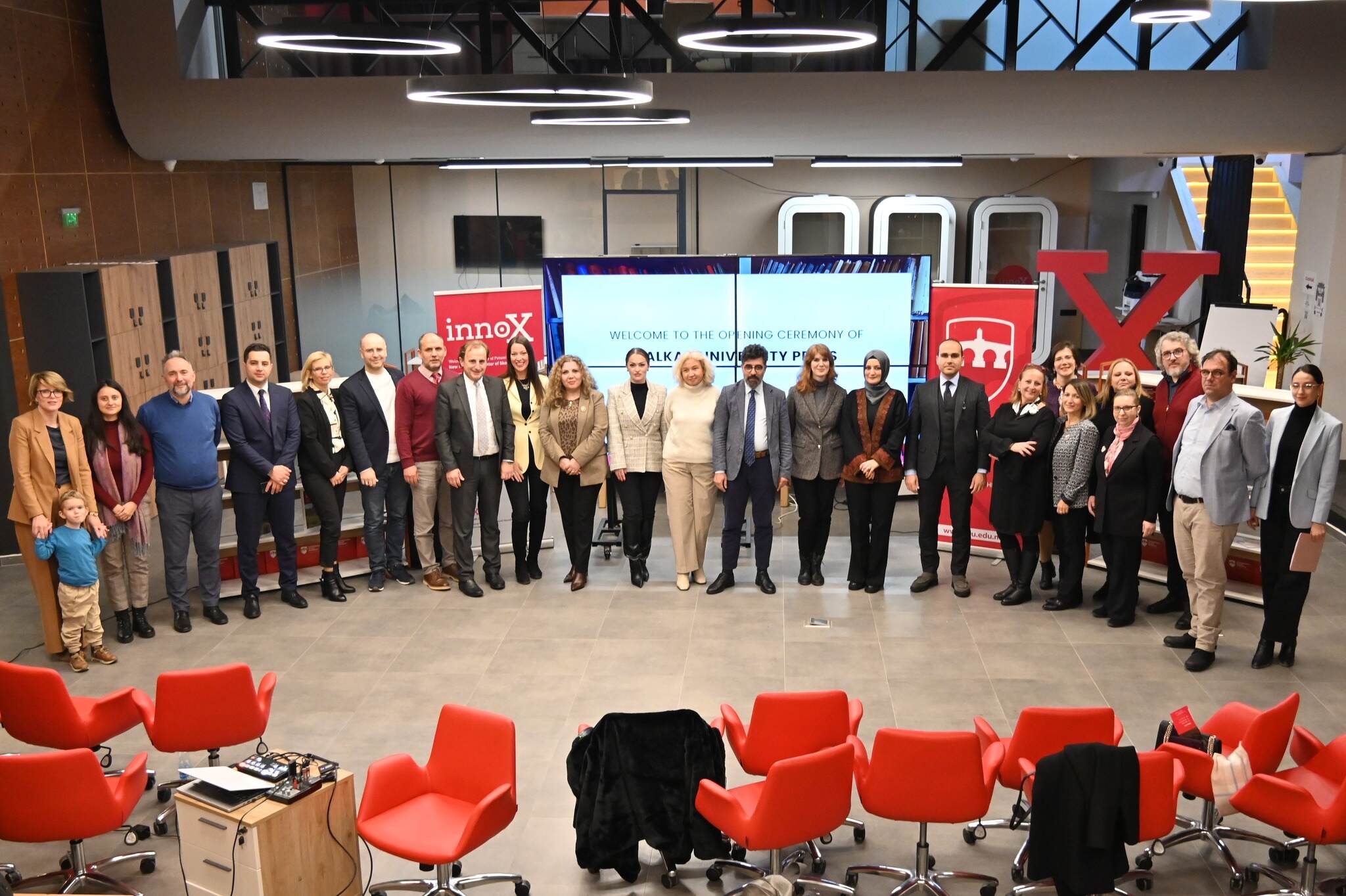
Grand Launch of Balkan University Press
Date: 12.12.2024 -

BALKAN UNIVERSITY PRESS
Date: 09.01.2025 -
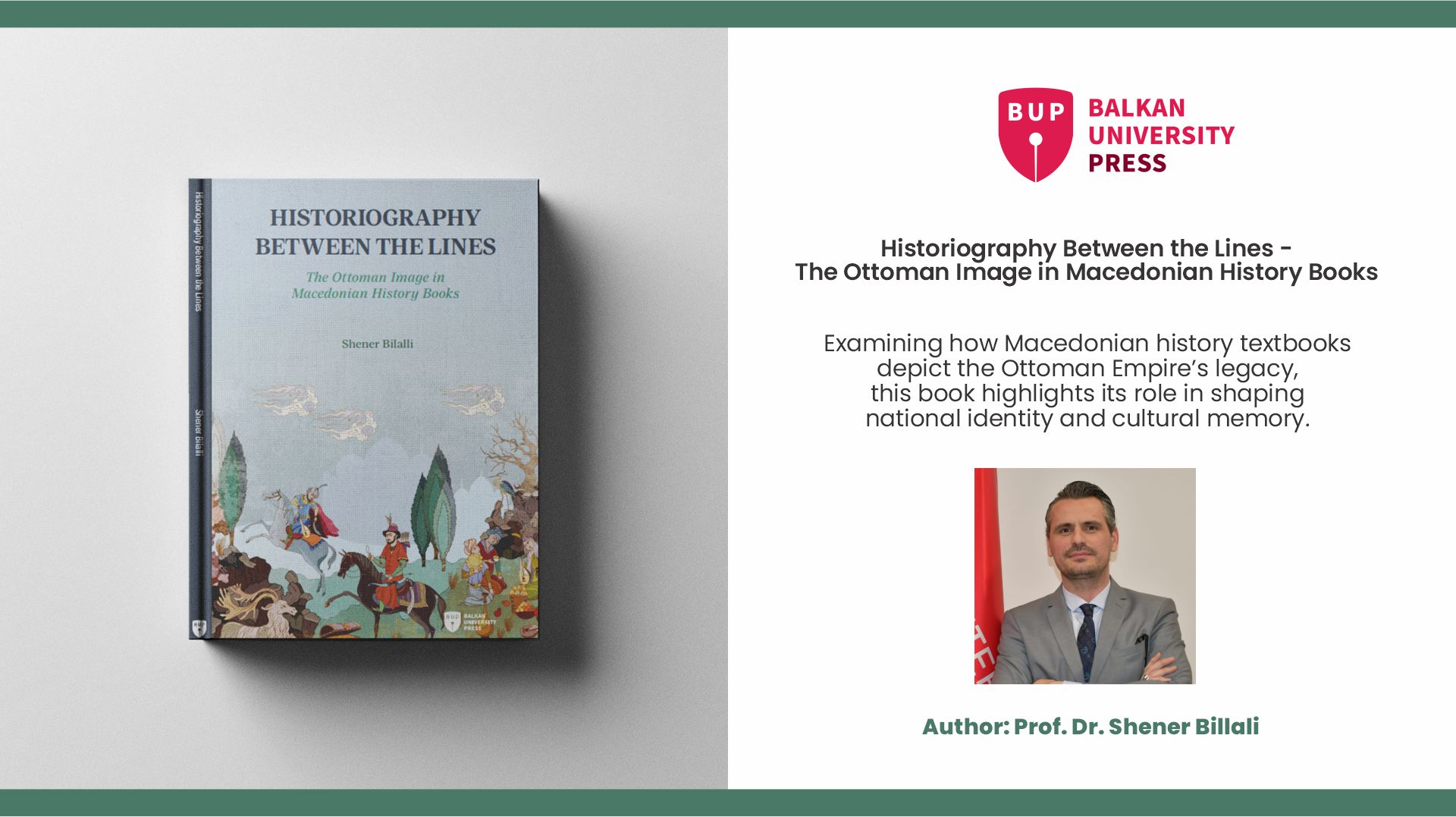
Publication of a book
Date: 30.12.2024 -
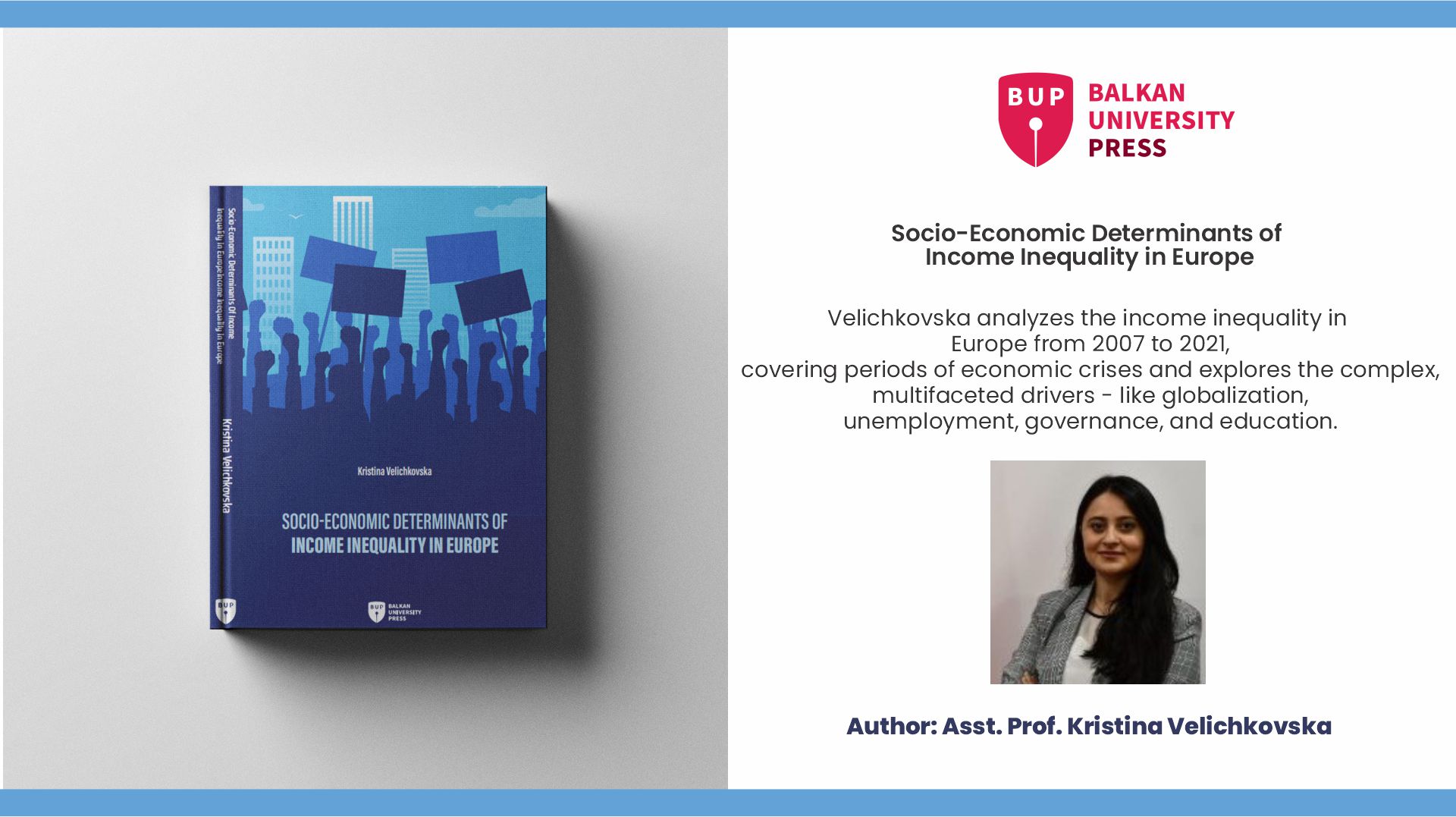
Publication of a book
Date: 24.12.2024 -
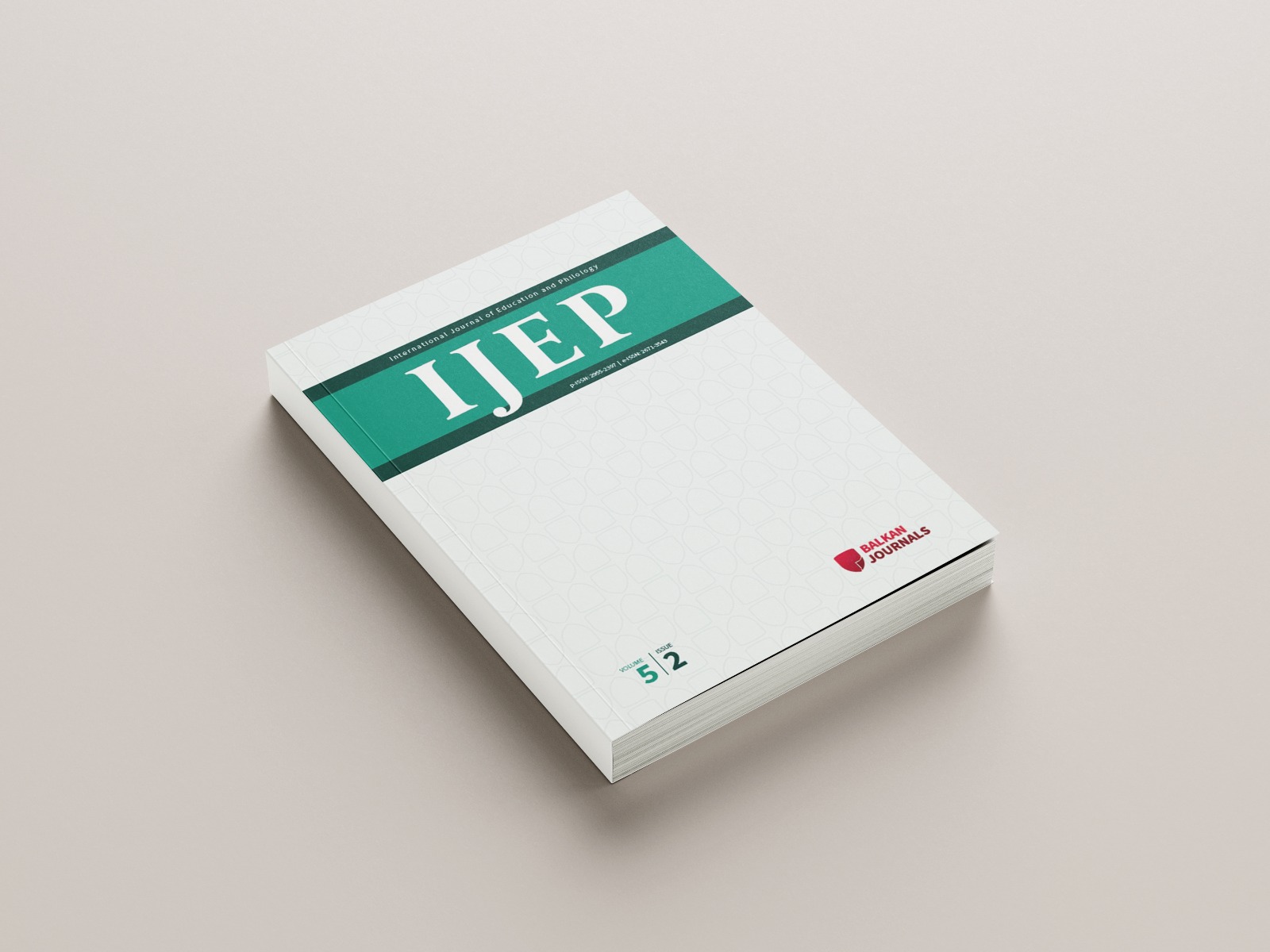
The December Issue of IJEP is published
Date: 31.12.2024 -

The December Issue of TEFMJ is published
Date: 16.01.2025 -
-
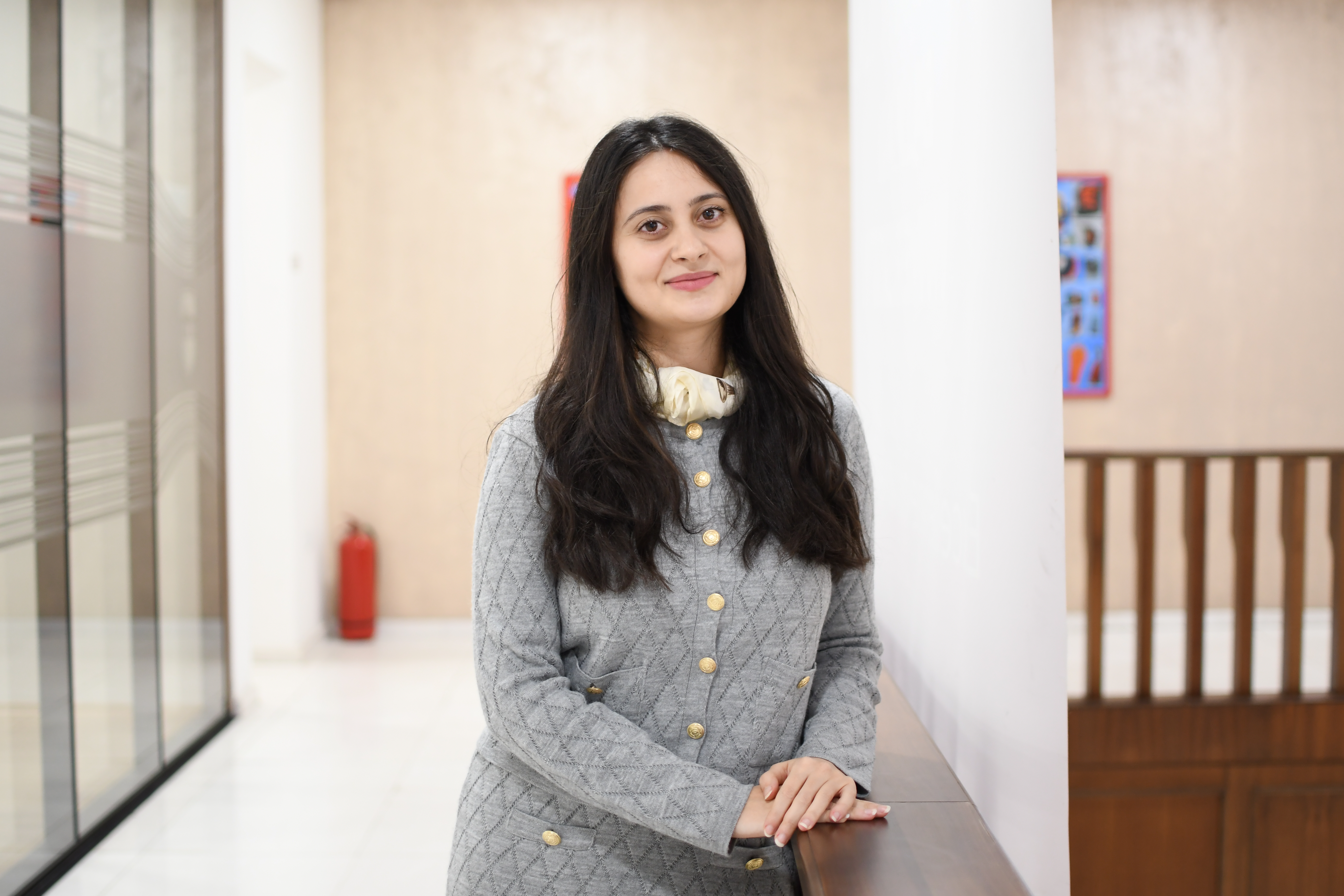
BUP Interview with Asst. Prof. Kristina Velichkovska
Date: 29.01.2025 -

-
-
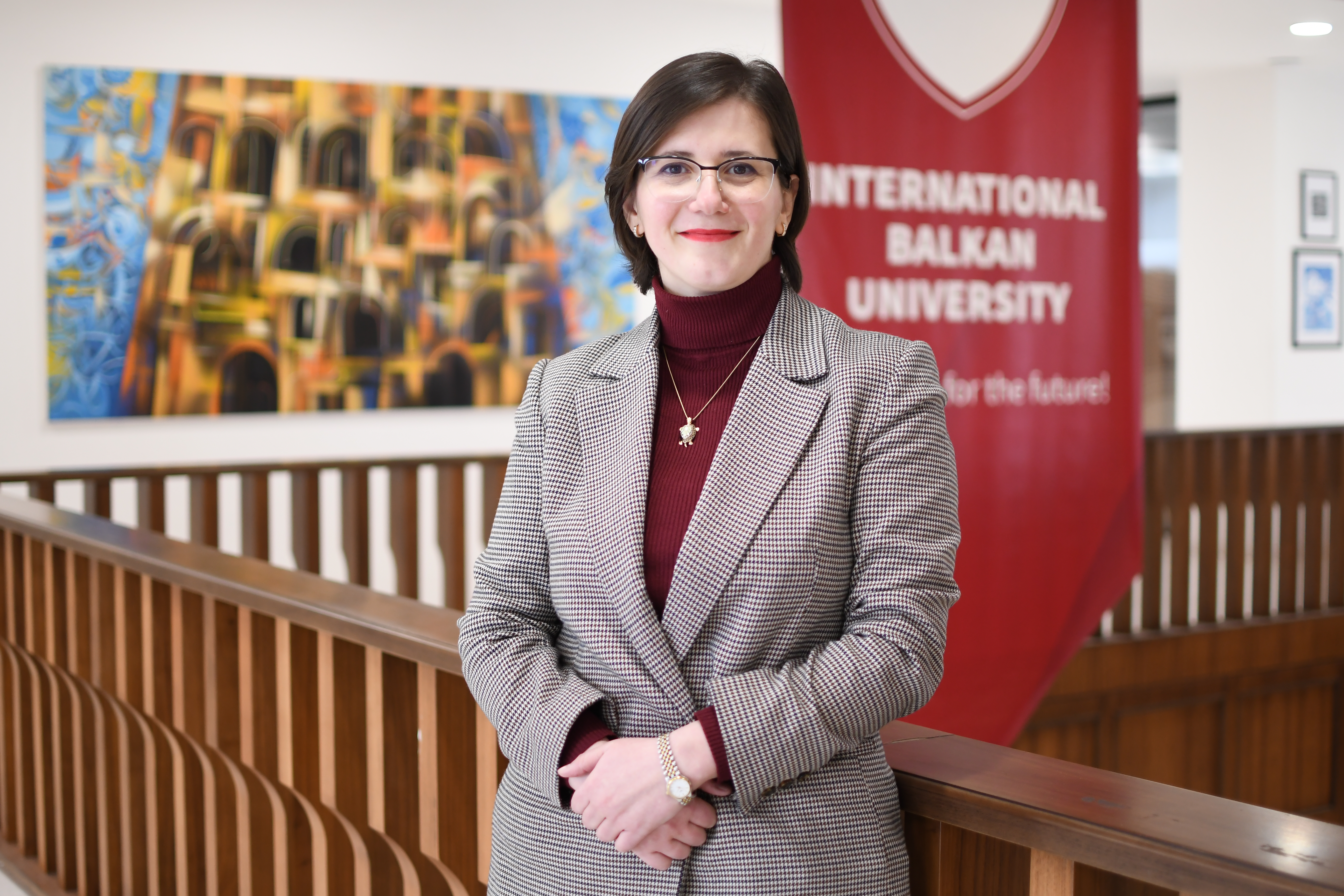
BUP Interview with Kefajet Edip
Date: 18.02.2025 -
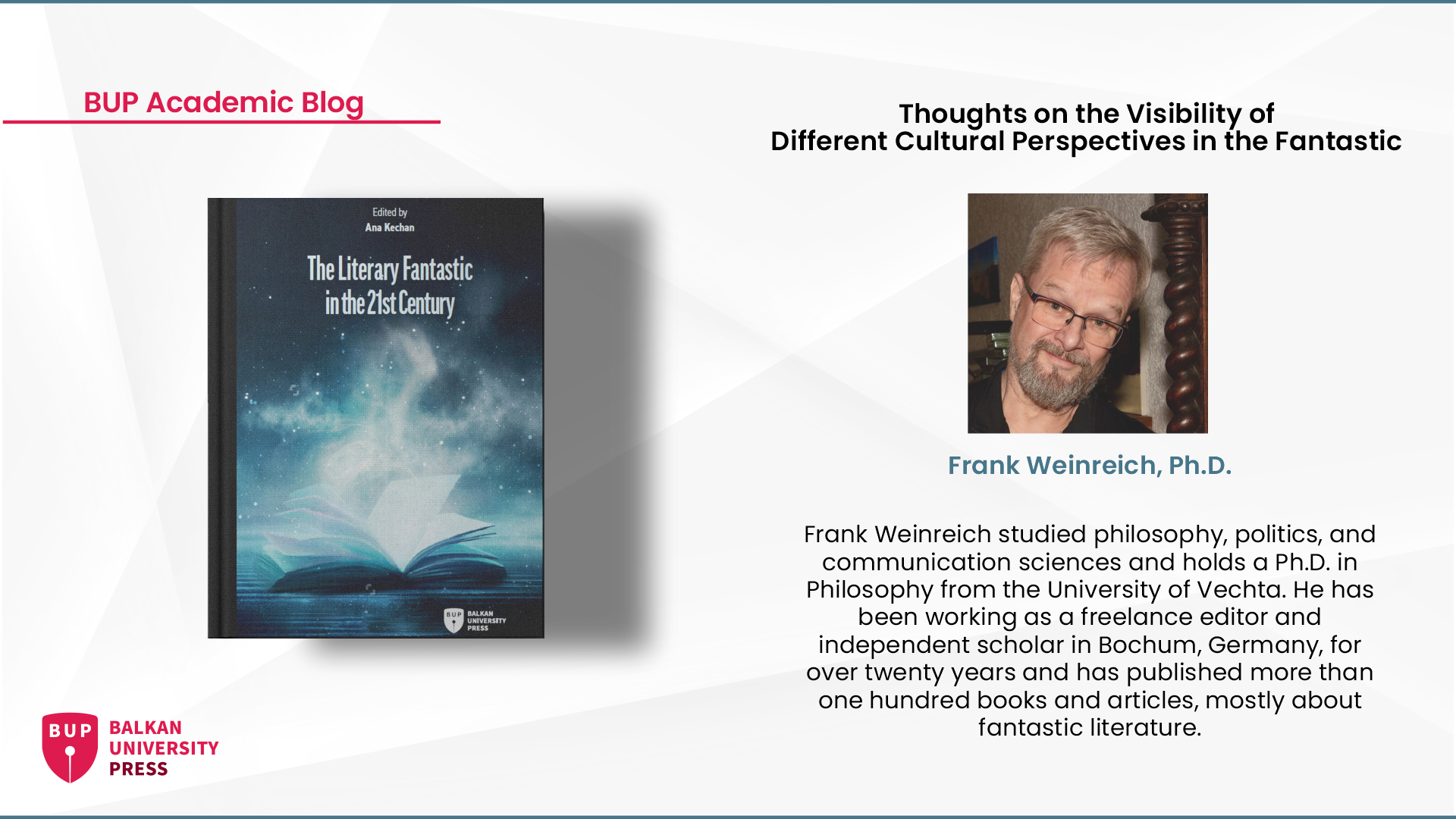
BUP Academic Blog by Frank Weinreich
Date: 20.02.2025 -
-
-
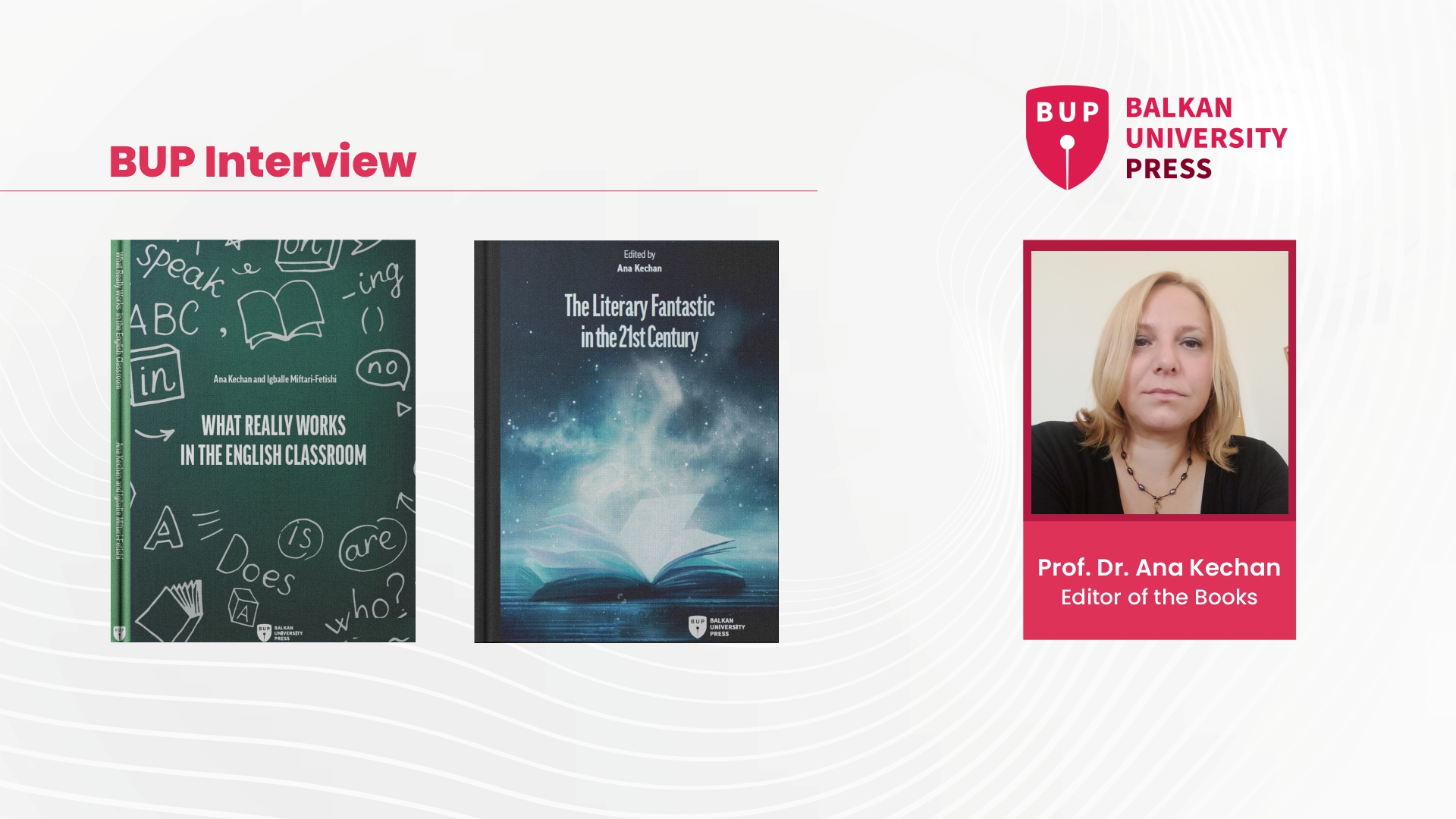
BUP Interview with Prof. Dr. Ana Kechan
Date: 30.04.2025 -
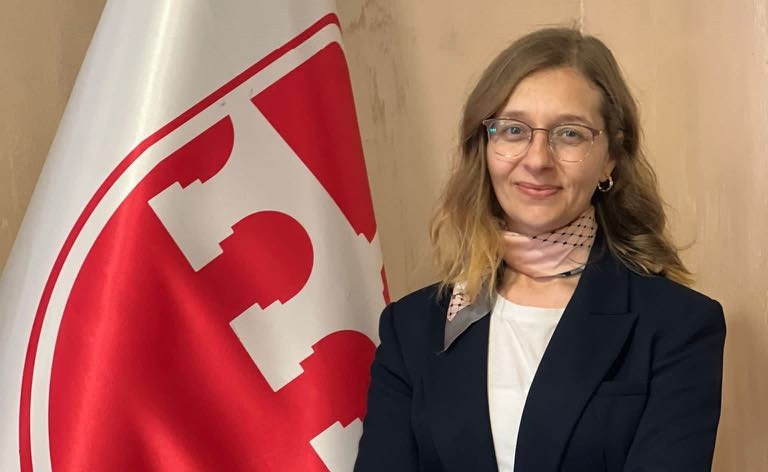
BUP Interview with Ozlem Kurt
Date: 14.05.2025 -

BUP Interview With Assoc. Prof. Igballe Miftari-Fetishi
Date: 03.09.2025 -
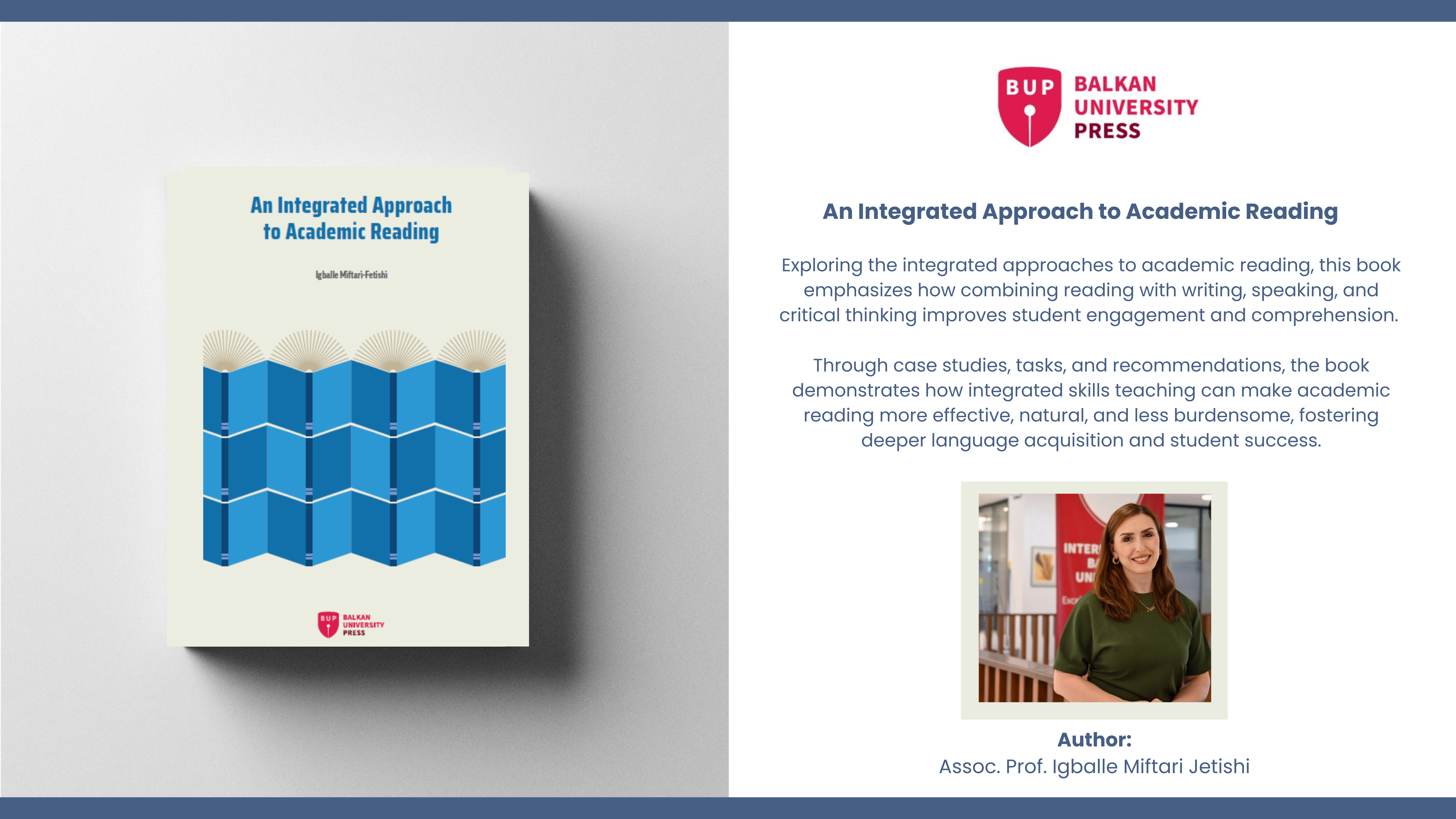
Publication of the book "An Integrated Approach to Academic Reading"
Date: 09.09.2025 -

BUP Interview with Nikola Dacev
Date: 15.09.2025 -

Publication of the book "Civil Law"
Date: 17.09.2025 -

BUP Interview with Ekaterina Namicheva Todorovska
Date: 22.09.2025 -
.png)
-
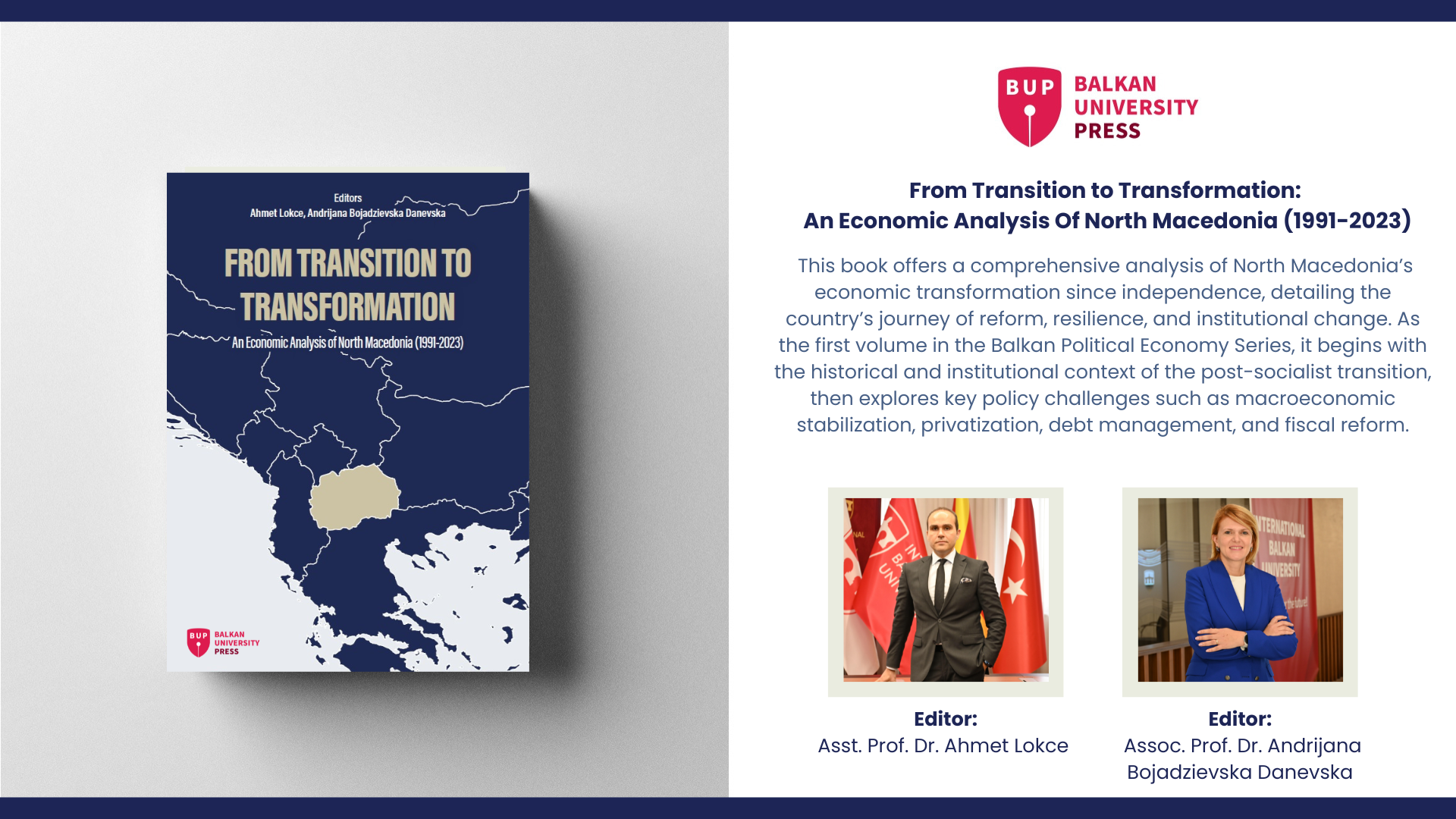
The first book of the Balkan Political Economy Series is published
Date: 07.10.2025 -
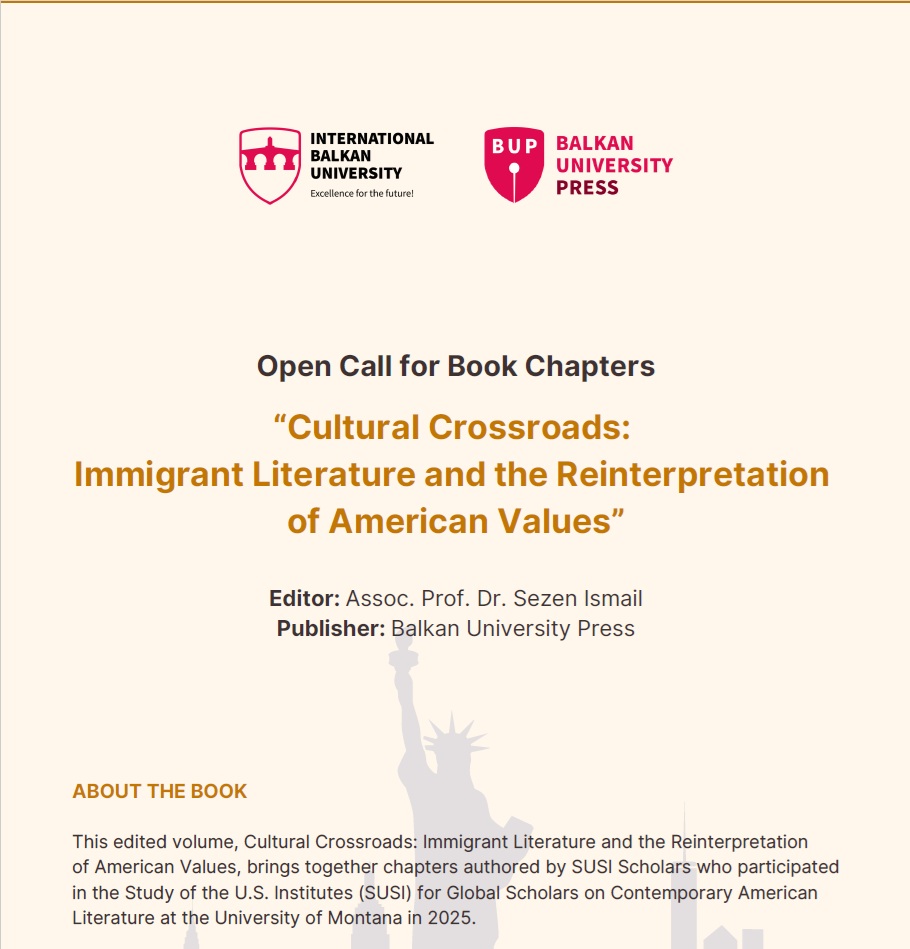
OPEN CALL for Book Chapters
Date: 08.10.2025 -
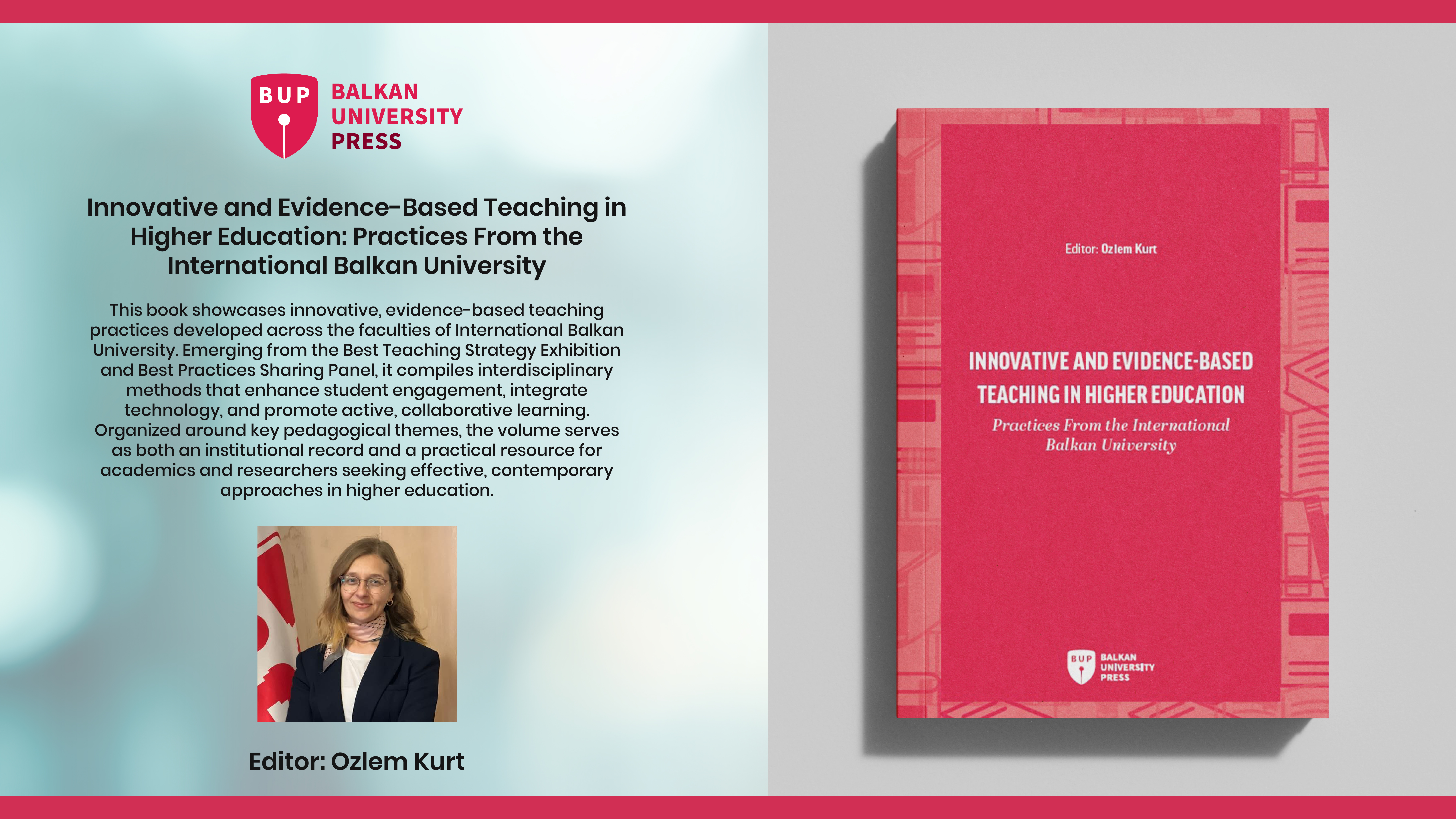
-
.png)
-

BUP Interview with Sumea Ramadani
Date: 24.10.2025 -
.png)
Publication of the book "Two Worlds of Healing" by Sumea Ramadani
Date: 05.11.2025 -
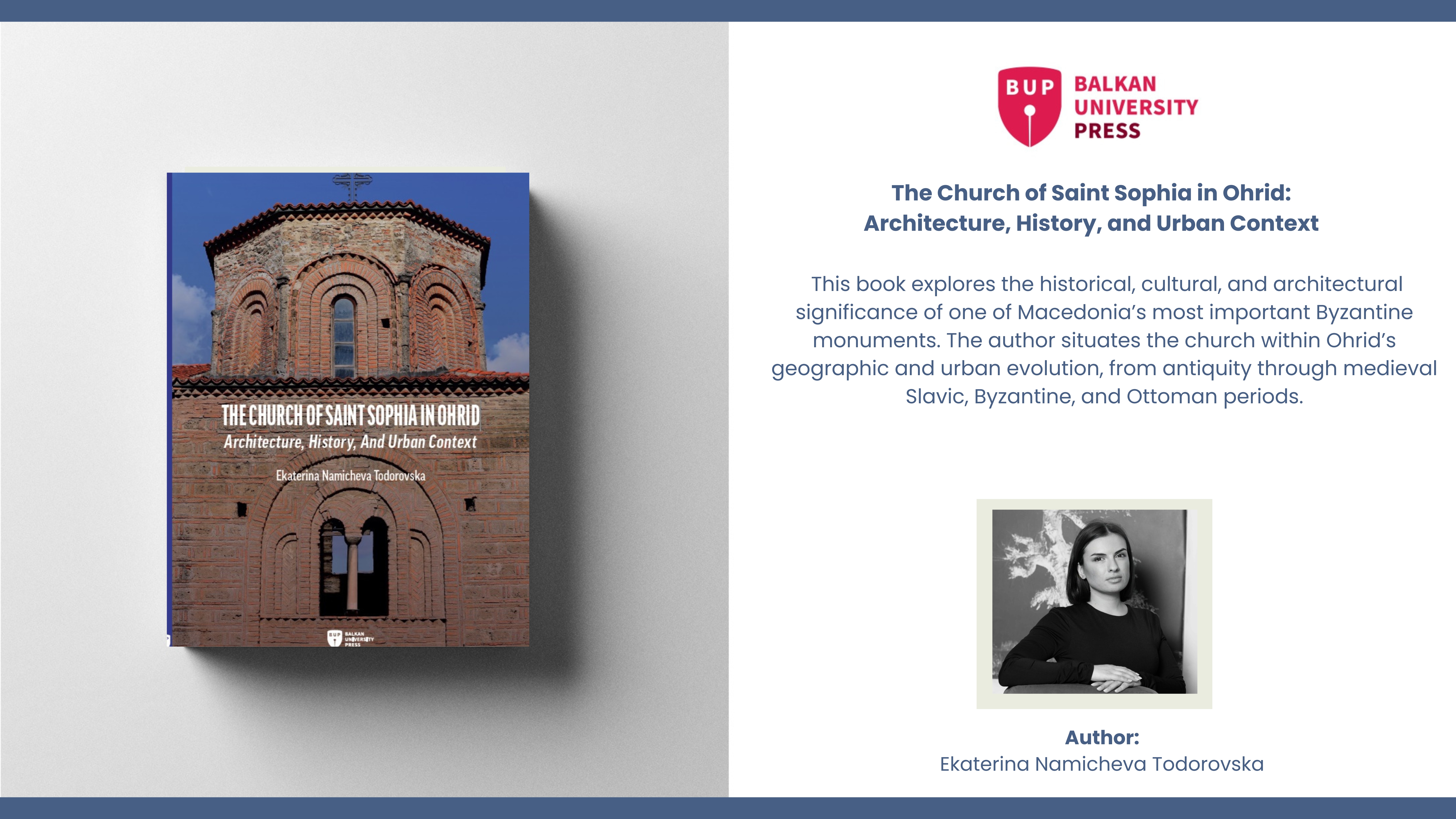
New BUP Publication
Date: 23.12.2025 -
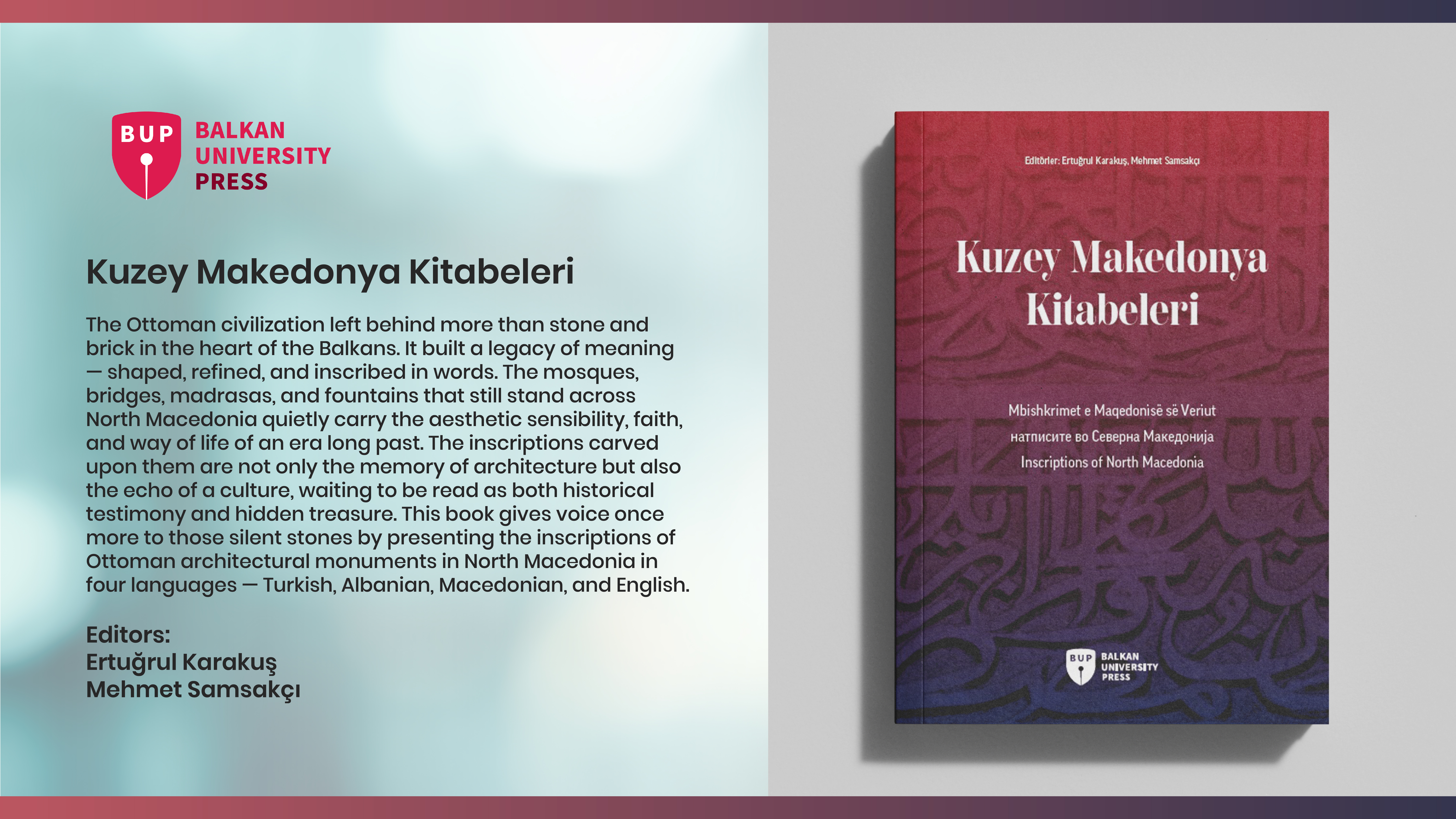
Publication of the book "Kuzey Makedonya Kitabeleri"
Date: 26.12.2025 -
-
BUP Interview with Prof. Marija Miloshevska Janakieska
Date: 17.03.2026 -
BUP Interview wIth Prof. Daniel Xerri
Date: 19.03.2026 -
.jpg)
BUP Interview with Marija Spaseska
Date: 27.03.2026 -
-
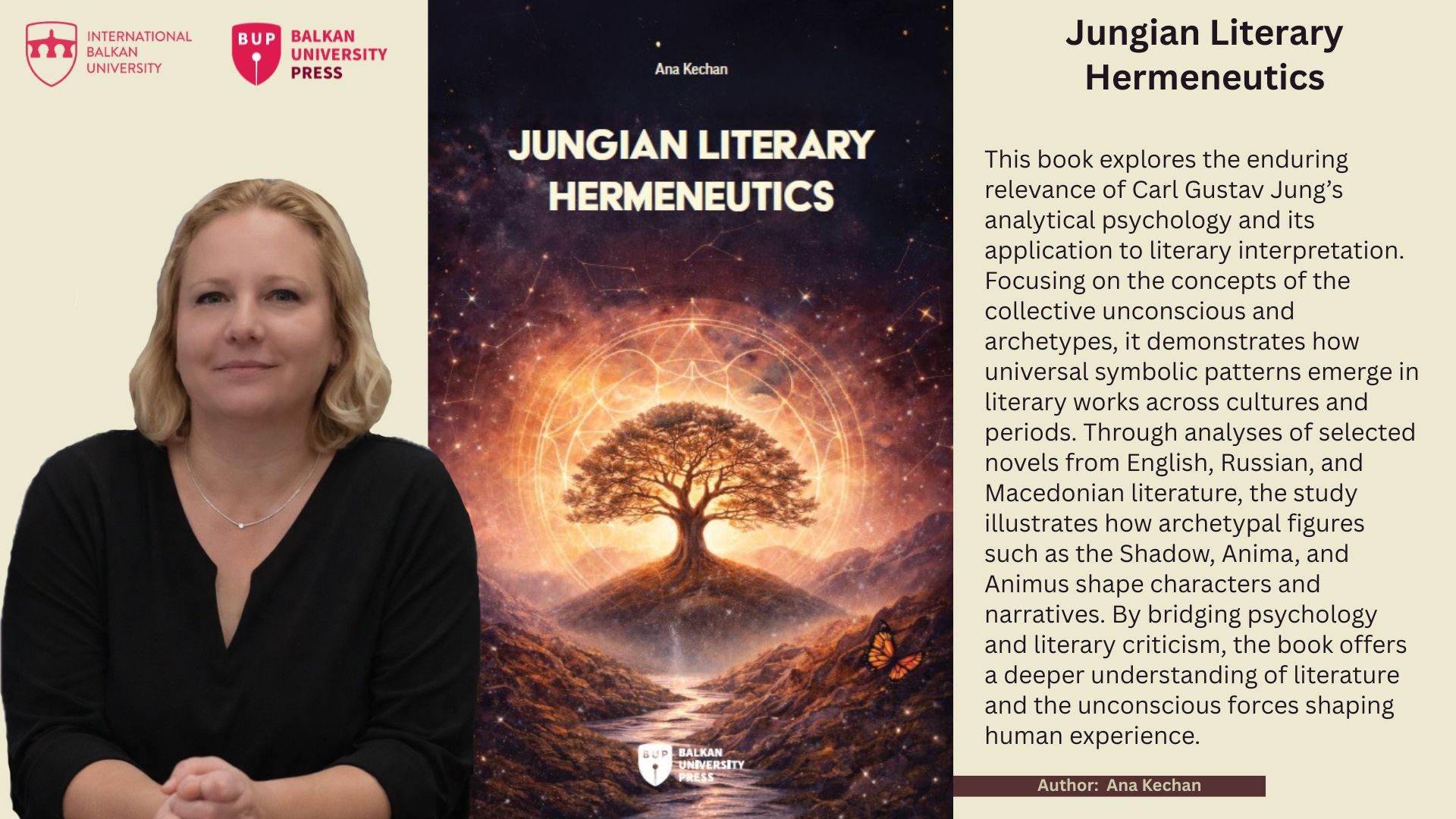
BUP Interview with Ana Kechan
Date: 31.03.2026 -

Publication of the book "Jungian Literary Hermeneutics"
Date: 06.04.2026 -
.jpg)
Publication of the book "Ethics: Action, Power, and Moral Autonomy"
Date: 23.07.2026 -
.jpg)
-
-
